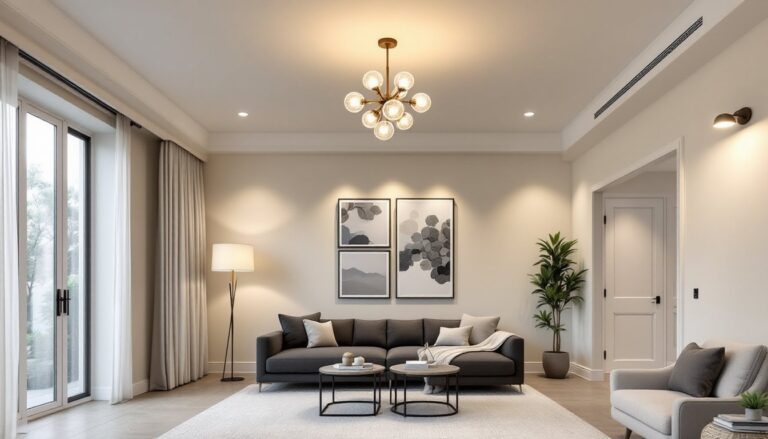
Getting good sleep starts with the right light. Ambient bedroom lighting isn’t about flipping a switch and calling it done, it’s the foundation of a room that actually helps you unwind. Unlike task lighting (which lets you read) or accent lighting (which highlights art), ambient lighting provides overall, soft illumination that makes your bedroom comfortable and functional. It’s the difference between a harsh overhead bulb and a space that feels like a retreat. Whether you’re renovating, building new, or just tired of squinting at 11 PM, understanding ambient lighting is the first step toward a bedroom that works with your body’s rhythms, not against them.
Table of Contents
ToggleKey Takeaways
- Ambient bedroom lighting provides soft, uniform illumination that supports natural sleep rhythms by using warm 2700K color temperature and dimmer controls rather than harsh overhead fixtures.
- Recessed lighting, flush-mount ceiling fixtures, and wall sconces are the primary fixture types for ambient lighting, with proper spacing (4–6 feet apart) ensuring even light distribution without shadows or glare.
- Target 10 to 20 lumens per square foot for your bedroom—a 150-square-foot room needs 1,500 to 3,000 lumens total—and always pair fixtures with dimmers to reduce eye strain during evening transitions.
- When replacing a ceiling fixture or installing recessed lighting, verify power with a voltage tester, match wire colors correctly (black to black, white to white, ground to ground), and check local building codes for permits.
- Indirect lighting options like LED strips and upward-facing sconces eliminate glare and create a softer retreat atmosphere, while Color Rendering Index (CRI) 90+ bulbs ensure natural-looking fabrics and skin tones.
What Is Ambient Bedroom Lighting and Why Does It Matter?
Ambient lighting is the general illumination layer in a room. It’s what fills the space when you walk in, uniform, diffused, and usually controlled by a single switch or dimmer. In bedrooms, ambient lighting sets the mood for sleep, relaxation, or quiet morning routines.
Good ambient lighting should be evenly distributed with no harsh shadows or glaring hot spots. It typically comes from ceiling-mounted fixtures, recessed cans, or wall-mounted sources that bounce light off ceilings and walls. The goal is enough brightness to move around safely and perform basic tasks, but not so much that it feels like an exam room.
Why does it matter? Your body responds to light levels. Bright, cool-toned light in the evening can disrupt melatonin production and delay sleep. Warm, dim ambient lighting signals your brain that it’s time to wind down. Beyond biology, ambient lighting affects how colors appear, how spacious a room feels, and whether your bedroom is somewhere you want to spend time.
In practical terms, proper ambient lighting eliminates the need for a blinding overhead fixture. It also reduces eye strain when transitioning from lit hallways to dark bedrooms. If your bedroom doubles as a dressing area or reading nook, ambient lighting provides a safe baseline that other lighting layers build on.
Best Types of Ambient Lighting Fixtures for Bedrooms
Choosing the right fixtures depends on ceiling height, room size, wiring access, and personal preference. Here are the workhorses.
Recessed Lighting and Ceiling Fixtures
Recessed lighting (also called can lights or downlights) is a clean, modern option. Standard 6-inch recessed cans work well in bedrooms with 8- to 9-foot ceilings. Space them roughly 4 to 6 feet apart for even coverage, and aim for a total of 3 to 5 cans in a typical 12-by-14-foot bedroom. Use IC-rated (insulation contact) housings if your ceiling is insulated.
Recessed lights are nearly invisible, but they can create a sterile vibe if used alone. Pairing them with a dimmer is non-negotiable, 0–10V or TRIAC dimmers work with most LED retrofits. Check the driver compatibility on your bulbs or integrated LED fixtures to avoid flicker.
Flush-mount and semi-flush ceiling fixtures are another go-to. They mount directly to a standard ceiling box and diffuse light through frosted glass or fabric shades. A 15- to 18-inch diameter fixture suits most bedrooms: go larger in rooms over 200 square feet. These fixtures are easier to install than recessed cans since they don’t require cutting into drywall or dealing with joists.
For contemporary interiors, design sites like Homify showcase fixtures that balance function and style. If you’re working with a low ceiling or want softer light distribution, look for fixtures with an opal or alabaster diffuser rather than clear glass.
Tip: If you’re replacing an old fixture, turn off the breaker, verify with a non-contact voltage tester, and match the new fixture’s weight to the existing box rating (most pancake boxes support up to 50 pounds).
Wall Sconces and Indirect Lighting
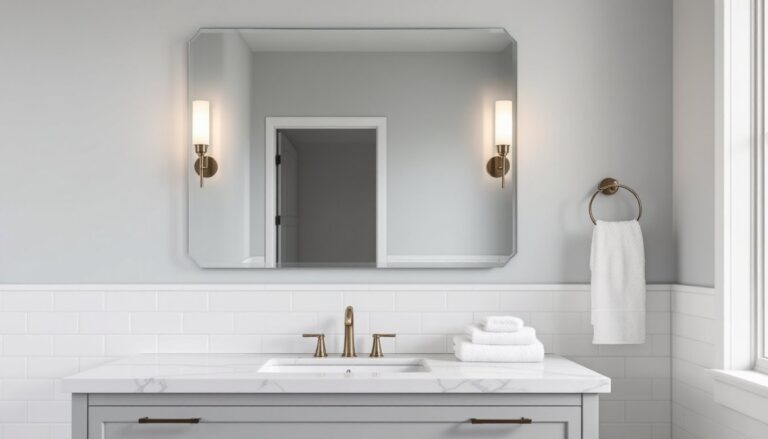
Wall sconces mounted 60 to 66 inches above the floor (measured to the center of the fixture) provide indirect ambient light without occupying ceiling space. Use them in pairs flanking a bed or dresser. Sconces with upward-facing shades bounce light off the ceiling, creating a soft wash that’s ideal for bedrooms.
Wiring for sconces typically requires cutting into walls and running 14/2 or 12/2 Romex from a switch box. If you’re not comfortable fishing wire through studs, hire an electrician, improper splicing or overloaded circuits are code violations under NEC Article 210. Battery-powered or plug-in sconces are an alternative, but they lack the clean look of hardwired fixtures.
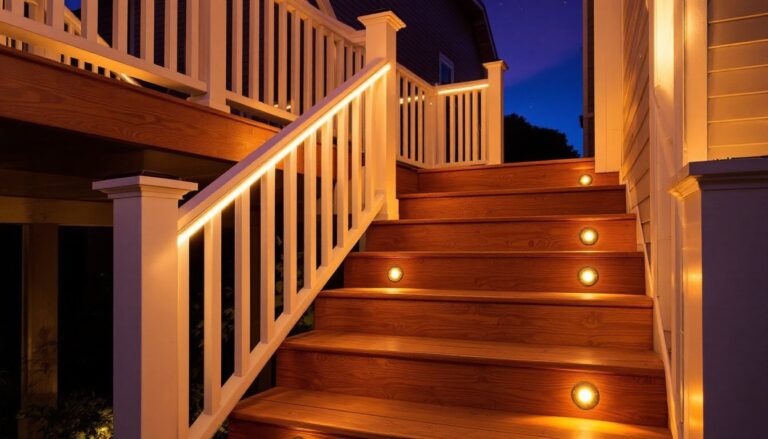
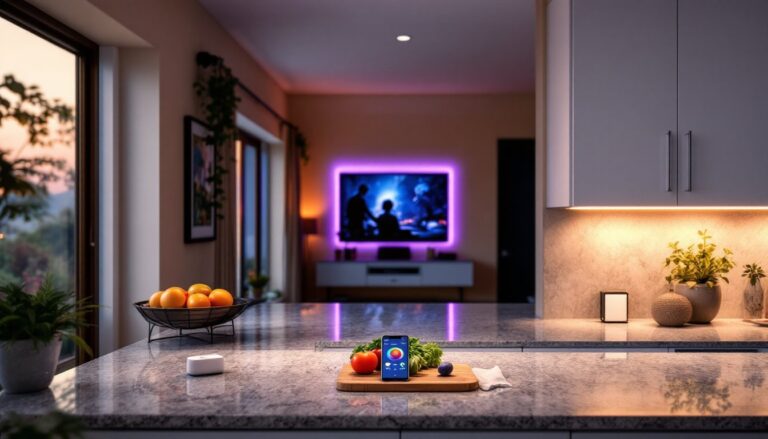
Cove lighting (LED strips hidden in a ledge or crown molding) and LED tape behind headboards are indirect options gaining traction. Use 120V plug-in LED strips for simpler installs, or low-voltage 24V DC strips with a transformer if you want dimming and color control. Many smart lighting systems integrate with dimmers and voice assistants for scheduled routines.
Indirect lighting works best in bedrooms because it eliminates glare. The downside is lower light output per watt, so you may need multiple runs of LED tape or higher-wattage sconces to hit your target brightness.
How to Choose the Right Color Temperature and Brightness
Not all light is created equal. Color temperature (measured in Kelvin) and brightness (measured in lumens) define how your ambient lighting feels.
Color temperature:
- 2700K to 3000K (warm white): This is the sweet spot for bedrooms. It mimics incandescent bulbs and promotes relaxation. Most residential LED bulbs default to 2700K.
- 3500K to 4100K (neutral white): Acceptable for multipurpose rooms, but can feel too clinical in a bedroom.
- 5000K+ (daylight): Avoid unless you’re using tunable LEDs that shift warmer in the evening.
For ambient bedroom lighting, stick with 2700K. If you want flexibility, tunable white or RGB smart bulbs let you adjust color temperature throughout the day, similar to how Apple Home Adaptive Lighting automates color shifts.
Brightness:
Aim for 10 to 20 lumens per square foot in a bedroom. A 150-square-foot room needs 1,500 to 3,000 lumens total. Divide that across your fixtures. For example, five recessed LEDs at 600 lumens each deliver 3,000 lumens.
Don’t max out your fixture wattage. Instead, install dimmers and run your lights at 50 to 70 percent for evening use. Dimming not only saves energy but also extends LED lifespan.
CRI (Color Rendering Index) matters too. Look for bulbs rated CRI 90+ so fabrics, paint, and skin tones appear natural. Cheap LEDs with CRI below 80 can make your room look washed out.
If you’re retrofitting an existing fixture, check the maximum wattage printed inside the housing. LED equivalents draw far less power than incandescent, but heat buildup in enclosed fixtures can still shorten bulb life, always use LEDs rated for enclosed or damp locations if applicable.
DIY Ambient Lighting Installation Tips for Homeowners
Ambient lighting projects range from swapping a fixture to running new circuits. Here’s how to tackle common installs safely.
Replacing a ceiling fixture (flush-mount or semi-flush):
- Turn off the breaker for the bedroom circuit. Verify power is off with a voltage tester.
- Remove the old fixture by unscrewing the canopy and disconnecting wire nuts. Note wire colors: black (hot), white (neutral), bare copper or green (ground).
- Attach the new fixture’s mounting bracket to the ceiling box. If the box is loose, tighten the screws into the joist or install a retrofit brace.
- Connect wires: black to black, white to white, ground to ground. Use wire nuts rated for the wire gauge (typically yellow wire nuts for 14 AWG, orange for 12 AWG).
- Tuck wires into the box, attach the fixture canopy, and install bulbs. Restore power and test.
Installing recessed lighting:
This is a bigger job. You’ll need attic or crawlspace access (or be prepared to patch drywall). Decide between new-construction housings (nailed to joists before drywall goes up) and remodel housings (clipped into finished ceilings).
- Map your layout. Avoid placing cans directly over the bed (nobody likes a spotlight while sleeping).
- Cut holes with a 6-inch hole saw. If you hit a joist, shift your location.
- Run 14/2 NM-B cable (for 15-amp circuits) from the switch box to each can, daisy-chaining as needed. Staple cable within 8 inches of boxes and every 4.5 feet along framing (per NEC 334.30).
- Install remodel housings by squeezing clips and pushing into the ceiling. Connect wiring, then snap in LED retrofit trim kits or screw in bulbs.
- If your bedroom is on a second floor, coordinate with insulation. IC-rated housings allow direct contact with insulation: non-IC cans require 3 inches of clearance.
Adding a dimmer switch:
Swap your standard switch for a dimmer compatible with LED loads. Most modern dimmers are labeled “LED/CFL compatible.” If you have multiple switches controlling the same lights (three-way setup), you’ll need a three-way dimmer and a matching remote switch.
- Turn off the breaker, remove the old switch, and note wire connections. Typically, you’ll see a black (line), black (load), and ground.
- Follow the dimmer’s wiring diagram (they vary by manufacturer). Many use short pigtail wires that you splice to existing circuit wires.
- Secure the dimmer in the box, attach the cover plate, and test.
Safety notes:
- Wear safety glasses and use a sturdy ladder. Keep one hand free to brace yourself.
- Never work on live circuits. Even low-voltage LED drivers can deliver a shock.
- If your home has aluminum wiring (common in the 1960s–70s), hire a licensed electrician. Aluminum requires special connectors to prevent arcing.
- Permits: Most jurisdictions require electrical permits for new circuits or significant rewiring. A fixture swap usually doesn’t, but adding multiple recessed cans might. Check with your local building department.
For layouts that need more nuanced control, some homeowners integrate ambient bedroom lighting with task sources in other rooms, similar setups appear in home office ceiling designs. The same dimming and zoning principles apply.
Conclusion
Ambient bedroom lighting is the unsung backbone of a comfortable, functional space. The right fixtures, color temperature, and dimming controls turn a generic bedroom into a retreat that supports rest and well-being. Whether you’re installing recessed cans, hardwiring sconces, or experimenting with indirect LED strips, the key is planning layout and brightness before you cut any holes. Measure twice, test your circuit, and don’t skip the dimmer. Your bedroom, and your sleep, will thank you.