Pendant lights are the Swiss Army knife of home lighting, they illuminate, decorate, and define a room without taking up floor space or cluttering counters. Suspended from the ceiling by a cord, chain, or rod, these fixtures work anywhere from kitchens to bathrooms, offering task lighting where you need it and ambient glow where you don’t. Whether you’re replacing a dated fixture or adding character to a new build, pendant lighting delivers both function and style. This guide walks through types, sizing, installation, and styling so homeowners can confidently tackle a pendant upgrade from selection to final bulb twist.
Table of Contents
ToggleKey Takeaways
- Ceiling pendant lighting combines task and accent illumination with sculptural design, working effectively over islands, dining tables, and work areas without consuming floor space.
- Popular pendant types—mini, drum, globe, industrial, bowl, and linear—each serve different rooms and lighting needs, from focused kitchen task work to ambient dining room settings.
- Proper sizing and placement require matching fixture width to the surface below (usually 18–24 inches for dining tables) and hanging 30–36 inches above work surfaces for optimal light distribution.
- DIY ceiling pendant installation is achievable for most homeowners by following code-compliant steps: shutting off power, assembling hardware correctly, matching wire connections, and securing the canopy flush to the ceiling.
- Layering ceiling pendant lighting with recessed cans, under-cabinet strips, and wall sconces creates balanced ambient and task lighting while using consistent color temperature (2700K–3000K) prevents visual discord.
What Is Ceiling Pendant Lighting and Why Choose It?
A ceiling pendant light is any fixture that hangs down from the ceiling on a single suspension point, think cord, chain, or metal downrod. Unlike flush-mount or semi-flush fixtures, pendants drop into the room, putting light exactly where it’s needed: over islands, dining tables, sinks, or reading nooks.
Pendants excel at task lighting, they focus illumination on work surfaces without casting shadows from overhead. Hang one over a kitchen island and you’ll see the difference when chopping vegetables or reading recipes. They also layer beautifully with recessed cans or wall sconces to create ambient and accent lighting.
From a design standpoint, pendants act as sculptural elements. A cluster of glass globes or a single industrial cage can anchor a room’s aesthetic. They’re adjustable, too: most use threaded rod or adjustable cord, so ceiling height isn’t a deal-breaker. Just note that pendant installation does require existing ceiling wiring (typically a standard junction box rated for at least the fixture’s weight). If you’re adding a pendant where none existed, you’ll need to run new wiring, often a job for a licensed electrician unless you’re comfortable working with 120V circuits and local code.
Popular Types of Pendant Lights for Every Room
Mini pendants (under 10 inches wide) are workhorses for kitchens. Installers often hang two or three in a row over islands or peninsulas. Their compact size keeps sightlines open while delivering focused downlight. Pair them with LED bulbs for energy efficiency and cooler operation.
Drum pendants feature a cylindrical shade, fabric, metal, or wood veneer, that diffuses light evenly. They’re common in dining rooms and entryways, where you want soft, ambient light without glare. Drum shades also hide the bulb, which matters if the fixture hangs at eye level.
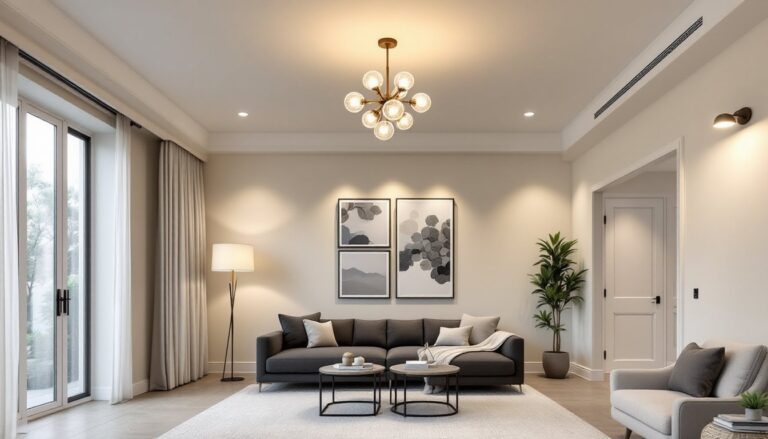
Globe or sphere pendants use glass or acrylic to cast light in all directions. They work well in hallways, bathrooms, or design-forward dining rooms where the fixture itself is the statement piece. Be mindful of bulb visibility: exposed filament LEDs look intentional, while standard bulbs can look unfinished.
Industrial or cage pendants pair metal frames with Edison-style bulbs. They’re popular in basements, workshops, and modern farmhouse kitchens. The open design means light spills everywhere, so they’re less ideal for focused task work but great for ambient character.
Bowl or inverted pendants direct light upward, bouncing it off the ceiling for soft, indirect illumination. They’re gentler on the eyes and suit bedrooms or low-traffic spaces. But, they provide less task lighting than downward-facing designs.
Linear or island pendants stretch horizontally, often 30 to 50 inches long. Installing one centered over an island delivers even coverage without the visual clutter of multiple mini pendants. Many come with integrated LED strips, eliminating bulb replacement.
How to Choose the Right Pendant Light for Your Space
Start with function. Task areas, islands, sinks, desks, need pendants with clear or lightly frosted shades that direct light downward. Ambient zones like entryways or dining rooms can handle diffused or decorative fixtures that prioritize aesthetics over lumens.
Match the style to existing finishes. Brushed nickel and chrome suit contemporary kitchens: oil-rubbed bronze or matte black fit industrial or transitional spaces. If the room already has cabinet hardware or faucet finishes, echo those in the pendant.
Consider adjustability. Fixtures with threaded rod or adjustable cord let you dial in the perfect height post-installation. This matters in spaces with sloped ceilings or where ceiling height varies. Non-adjustable chain fixtures can be shortened by removing links, but you can’t add length without replacing the chain.
Think about bulb access. Shades that unscrew or swing open make bulb changes simple. Sealed glass globes often require loosening a mounting collar, doable but annoying if you’re changing bulbs every year.
Sizing and Placement
Fixture width should scale to the surface below. For dining tables, add the table’s length and width (in feet), then convert to inches, that’s your maximum pendant diameter. A 6-foot table (72 inches) would suit a pendant up to roughly 18–24 inches wide, depending on whether it’s a single large fixture or a cluster.
Over kitchen islands, plan for roughly 30 to 36 inches between pendant centers if hanging multiples. This spacing prevents crowding and ensures even light distribution. Mini pendants (6 to 10 inches) typically need three fixtures over a standard 8-foot island.
Hanging height is critical. For islands and counters, position the bottom of the shade 30 to 36 inches above the surface. Dining tables can go 30 to 34 inches above the tabletop. Taller ceilings allow for longer drops, but keep walkways clear, at least 6 feet 8 inches of clearance underneath in hallways or entryways.
Measure twice. Use painter’s tape on the ceiling to mock up spacing before drilling. It’s easier to adjust tape than to patch drywall.
For rooms with existing lighting, check whether the pendant will tie into a switched circuit or require new wiring. Most kitchens have ceiling boxes already in place: home office lighting upgrades may need new runs from the breaker panel.
Installing Ceiling Pendant Lighting: A DIY Step-by-Step Guide
Safety first: Shut off power at the breaker, not just the wall switch. Use a non-contact voltage tester to confirm the wires are dead before touching anything. Wear safety glasses, ceiling work means debris in your face.
Materials & Tools:
• Pendant light fixture and included hardware
• Wire nuts (usually included)
• Electrical tape
• Adjustable wrench or pliers
• Screwdriver (flathead and Phillips)
• Wire stripper
• Stepladder rated for your weight plus the fixture
• Voltage tester
• Optional: Ceiling box extender (if the existing box sits too deep)
Step-by-step installation:
-
Remove the old fixture. Unscrew the canopy, disconnect wire nuts, and lower the old light. Set it aside. Inspect the ceiling junction box, it should be securely fastened to a joist or ceiling brace. If it wobbles, replace it with a metal “pancake” box or a fan-rated box (pendant fixtures can weigh 10+ pounds).
-
Assemble the pendant hardware. Most pendants use a threaded nipple that screws into the junction box’s center hole, with a mounting strap or crossbar secured by screws. Follow the manufacturer’s diagram exactly, crossbar orientation matters for canopy fit.
-
Thread the cord or chain. If the fixture uses adjustable cord, decide on final length now and trim excess (leave a few inches of slack). For chain, remove links as needed. The cord or chain must pass through the canopy, mounting hardware, and into the junction box. Some fixtures include a cord grip or strain-relief bushing, install it to prevent tugging on the wire connections.
-
Make electrical connections. Inside the box, you’ll typically see a black (hot), white (neutral), and bare copper (ground) wire from the house circuit. Match them to the fixture wires: black to black, white to white, copper to green or bare. Twist clockwise, secure with a wire nut, and wrap the base with electrical tape. Tuck connections neatly into the box, no stray strands.
-
Attach the canopy. Slide the canopy up to cover the junction box and secure it with screws or a threaded collar. Make sure it sits flush against the ceiling. If there’s a gap, adjust the mounting strap or use a deeper canopy if the fixture includes one.
-
Install the bulb and shade. Screw in the recommended bulb type, check the fixture’s label for max wattage or lumen rating. Attach the shade or globe per the instructions (often a threaded ring or clip).
-
Restore power and test. Flip the breaker back on, then test the wall switch. If the light doesn’t work, shut off power again and double-check wire connections. A loose neutral is a common culprit.
Permit note: In most jurisdictions, replacing an existing light fixture is considered maintenance and doesn’t require a permit. Installing a new fixture in a location without existing wiring typically does. Check with your local building department.
When to call a pro: If your ceiling box is missing, damaged, or you’re uncomfortable working with live wiring, hire a licensed electrician. Wiring errors can cause shorts, breaker trips, or worse. It’s also worth hiring help for large dining room installations with multiple pendants or complex canopy assemblies.
Styling Tips to Maximize Your Pendant Lighting Design
Layer your lighting. Pendants handle task and accent work, but a room needs ambient light too. Combine pendants with recessed cans, under-cabinet strips, or wall sconces to eliminate shadows and create depth. Dimmers give you control over mood, install a compatible dimmer switch if the fixture supports it (most LEDs and incandescents do).
Mix finishes carefully. It’s fine to blend metals, brushed nickel pendants can coexist with black cabinet pulls, but keep the overall palette to two or three finishes max. Too many competing tones look uncoordinated.
Scale matters beyond diameter. A slender glass pendant may measure 12 inches wide but feel light and airy. A solid metal drum at the same width reads heavier. In smaller rooms, opt for transparent or open-weave shades to maintain visual space.
Cluster pendants at varying heights for a modern, collected look in dining rooms or entryways. Stagger drops by 4 to 8 inches to create visual interest without chaos. Keep the lowest pendant at least 30 inches above the surface below.
Coordinate bulb color temperature. Most residential spaces look best with 2700K to 3000K (warm white). Cooler temps (4000K+) suit garages or task-heavy workshops but can feel clinical in living areas. If you’re mixing pendants with recessed lights, match color temperature across all fixtures.
Don’t forget the cord. Fabric-wrapped cords add texture and suit vintage or farmhouse styles. Standard vinyl or rubber cords are cheaper and easier to clean. Swag hooks let you install pendants without hardwiring, but they sacrifice adjustability and look less polished.
Use pendant lighting to define zones. A row of mini pendants over an island visually separates the cooking zone from the dining area in an open floor plan. In lofted spaces, a statement pendant can anchor a seating area without requiring walls.
Conclusion
Pendant lighting delivers targeted illumination and design impact in one suspended package. By matching fixture type to room function, sizing correctly, and following code-compliant installation steps, homeowners can confidently upgrade lighting on their own timeline. Whether it’s three mini pendants over a kitchen island or a single statement globe in the entryway, the right pendant turns overhead space into opportunity.