Jacksonville’s subtropical climate means outdoor spaces get year-round use, and they deserve lighting that keeps them functional, safe, and inviting after dark. Whether it’s illuminating a waterfront patio, highlighting native landscaping, or creating secure pathways through humid summer nights, the right outdoor lighting setup makes a measurable difference. This guide walks through the practical considerations specific to North Florida: choosing fixtures that handle salt air and afternoon thunderstorms, balancing aesthetics with energy costs, and tackling installation projects that respect local code requirements. No fluff, just the details homeowners need to light up their yards properly.
Table of Contents
ToggleKey Takeaways
- Outdoor lighting Jacksonville FL needs to withstand high humidity, salt air, and intense UV exposure—prioritize wet-location rated fixtures with marine-grade or powder-coated finishes to avoid corrosion and fading within 3-5 years.
- Well-designed outdoor lighting extends usable living space and enhances security, particularly during hurricane season when motion-sensor fixtures with battery backup provide visibility during power outages.
- LED fixtures use 75-80% less electricity than halogen bulbs and save $60-$80 annually on typical Jacksonville setups, with payback periods of 2-4 years despite higher upfront costs.
- Choose fixture styles based on architecture: coastal homes suit nautical lantern sconces and brass finishes, while contemporary designs favor clean-lined stainless steel or matte black fixtures with integrated LEDs.
- Always verify permit requirements with Duval County Building Inspection before installation, run line voltage wire at least 12-18 inches deep, and call 811 before digging to locate utilities.
- Pool and waterside lighting must meet NEC Article 680 requirements—hire a licensed electrician rather than attempting DIY installation in wet environments.
Why Outdoor Lighting Matters in Jacksonville’s Climate
Jacksonville’s weather patterns create unique demands for outdoor lighting systems. The combination of high humidity (averaging 75% year-round), salt air near coastal neighborhoods, and frequent afternoon thunderstorms from June through September means fixtures face accelerated corrosion if they’re not rated for wet locations.
UV exposure is another factor. Florida’s intense sun degrades plastic housings and uncoated finishes faster than in northern climates, expect visible fading or brittleness within 3-5 years on budget fixtures. Metal housings with powder-coated or marine-grade finishes hold up better but cost 30-50% more upfront.
Security becomes especially relevant during hurricane season. Well-lit entryways, driveways, and side yards deter opportunistic break-ins when neighborhoods lose power or residents evacuate. Motion-sensor fixtures with battery backup or solar panels maintain visibility during outages.
From a practical standpoint, outdoor lighting extends usable hours for patios, docks, and outdoor kitchens. Jacksonville residents invest heavily in outdoor living spaces: lighting them properly protects that investment and improves safety on stairs, pool decks, and uneven yard terrain common with sandy soils and oak tree roots.
Popular Outdoor Lighting Styles for Jacksonville Homes
Coastal and Traditional Designs
Coastal homes in Riverside, San Marco, and the Beaches neighborhoods lean toward fixtures that reference nautical or historical details. Lantern-style wall sconces with clear or seeded glass work on brick or stucco exteriors. Look for materials like brass (which develops a natural patina) or copper with lacquer finishes.
Post lights along driveways or pathways often feature a black or bronze finish with traditional detailing. These typically use a 3-inch or 4-inch post mount (standard sizing), verify the post diameter before ordering. For docks and seawalls, marine-grade fixtures with corrosion-resistant hardware are non-negotiable: standard aluminum housings pit quickly in saltwater environments.
Traditional styles also pair well with Spanish or Mediterranean architecture common in Deerwood and Ponte Vedra. Wrought-iron or aged bronze finishes complement terra cotta roofs and stucco walls. Avoid overly ornate designs: they collect moisture and dirt in Florida’s climate.
Modern and Contemporary Options
Contemporary homes in Nocatee or newer Southside developments favor clean-lined fixtures with minimal hardware. Geometric wall sconces, cylinder downlights, and linear LED strips create sharp, architectural lighting effects.
Materials lean toward stainless steel, matte black aluminum, or graphite finishes. Integrated LED fixtures (where the LED module is built into the housing rather than using a replaceable bulb) dominate this category. They offer slimmer profiles and better weather sealing but require replacing the entire fixture when the LED fails, typically 15-25 years out.
Modern designs often incorporate low-voltage systems (12V or 24V) with transformers, allowing homeowners to use thinner gauge wire and reducing shock risk during installation. This approach works well for LED exterior home lighting projects where energy efficiency and design flexibility matter.
Some homeowners explore ideas from resources like Gardenista for integrating lighting into landscape design, particularly around native plantings like saw palmettos or live oaks.
Choosing the Right Fixtures for Different Outdoor Areas
Entryways and porches: Wall-mounted sconces flanking the front door should provide enough light to see faces clearly (aim for 50-100 lumens per fixture minimum). Fixtures need a wet location rating per NEC standards, not just damp. Check the UL label. Install height typically runs 60-66 inches from the porch floor to the fixture center.
Pathways and driveways: Low-voltage path lights spaced 8-10 feet apart prevent tripping hazards and guide visitors. Use fixtures with downward-facing shields to minimize glare and light trespass into neighbors’ yards. In Jacksonville’s sandy soil, ensure stakes are at least 6 inches deep: consider concrete footings for post lights in high-wind zones.
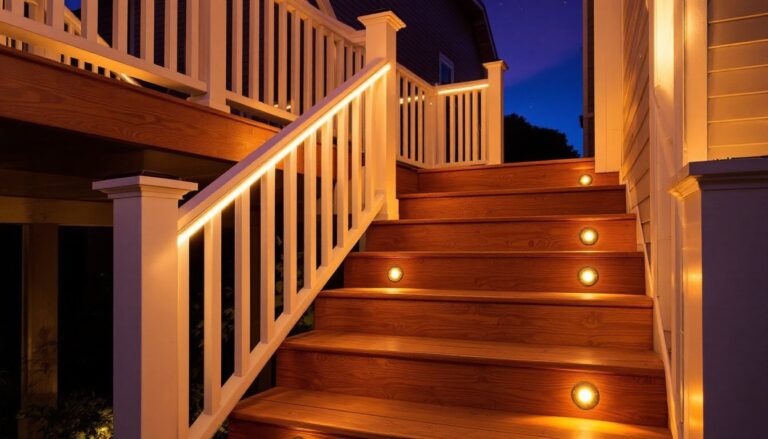
Patios and decks: Overhead string lights or ceiling-mounted fixtures create ambient lighting, while step lights (recessed into risers or posts) handle safety. If the deck is elevated over 30 inches, building codes may require lighting at stair transitions. For covered patios, damp-rated fixtures suffice: open areas need wet-rated.
Landscape and accent lighting: Spotlights or well lights highlight architectural features, trees, or water features. Use narrow beam angles (15-30 degrees) for trees, wider (40-60 degrees) for walls. Brass or copper fixtures blend into mulch and garden beds better than black plastic. Avoid uplighting near windows, glare becomes an issue indoors.
Pools and water features: Any fixture within 10 feet of a pool must meet NEC Article 680 requirements. This typically means low-voltage systems and GFCI protection. Hire a licensed electrician for pool lighting: it’s not a DIY project unless someone has specific training in underwater wiring.
DIY Installation Tips for Jacksonville Homeowners
Safety first: Turn off power at the breaker and verify with a non-contact voltage tester before touching any wiring. Wear safety glasses and work gloves: outdoor installations often involve sharp metal edges and buried obstacles.
Permits: Replacing existing fixtures generally doesn’t require a permit, but adding new circuits or running new line voltage (120V) wiring almost always does. Low-voltage systems (12V or 24V) usually fall below permit thresholds, but call the Duval County Building Inspection Department to confirm.
Running wire: For line voltage, use UF-B cable (underground feeder) rated for direct burial. Dig trenches at least 12 inches deep for conduit-protected wire, or 18 inches for direct-burial cable per NEC guidelines. In Jacksonville’s sandy soil, trenching is easier than in clay, but watch for shallow roots from oaks and pines. Call 811 (Sunshine State One Call) at least 48 hours before digging to locate utilities.
For low-voltage systems, use landscape lighting cable (typically 12 or 14 AWG). Voltage drop becomes an issue on long runs: keep wire runs under 100 feet from the transformer, or step up to heavier gauge wire. A 300-watt transformer handles about 25-30 LED path lights (10-12W each).
Mounting fixtures: On stucco or masonry, pre-drill holes with a masonry bit and use plastic anchors or stainless steel screws. For wood siding, hit studs when possible or use exterior-rated toggle bolts. Apply a small bead of silicone caulk around the mounting plate to seal against water intrusion.
Connections: Use wire nuts rated for outdoor use (silicone-filled types resist moisture better). For low-voltage, quick-connect fittings or twist-on connectors are common: wrap connections with electrical tape, then seal inside a weatherproof junction box.
Homeowners unsure about electrical work can review local outdoor lighting professionals or consult contractors for complex projects. Many services on platforms like Angi offer free quotes and can handle permitting if needed.
Energy-Efficient Lighting Solutions for Florida Weather
LED technology is the default for outdoor lighting now, incandescent and halogen bulbs waste energy as heat, which matters when JEA bills spike during summer air conditioning season. LEDs use 75-80% less electricity and last 15-25 times longer. For a typical setup with 10 path lights running 6 hours per night, switching from 20W halogen to 3W LED saves roughly $60-$80 annually at Jacksonville’s average electricity rate.
Color temperature affects ambiance and visibility. 2700K (warm white) mimics incandescent bulbs and suits traditional or coastal styles. 3000K (soft white) offers a bit more clarity without feeling sterile. 4000K or higher (cool white) works for security lighting or modern designs but can feel harsh in residential settings.
Solar fixtures appeal to DIYers who want to avoid wiring altogether. They work best in areas with 6+ hours of direct sun daily, challenging under dense oak canopies or on north-facing walls. Quality varies widely: budget solar lights dim noticeably after 2-3 years as batteries degrade. Expect to replace batteries every 18-24 months (typically NiMH AA or lithium-ion packs).
Motion sensors and timers reduce runtime. Photocell sensors turn lights on at dusk automatically: add a timer to shut them off after midnight if security lighting isn’t needed all night. Motion-activated fixtures save energy but can be triggered by palm fronds, Spanish moss, or neighborhood cats, adjust sensitivity and aim carefully.
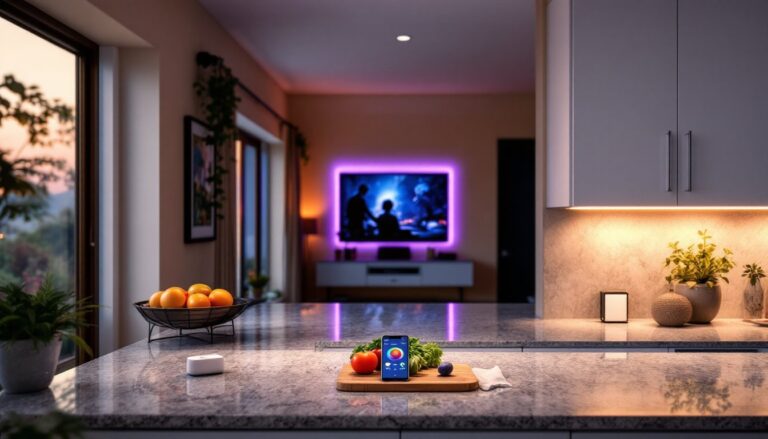
Smart controls: Wi-Fi-enabled fixtures or plug-in smart outlets let homeowners control lighting remotely and set schedules. During hurricane evacuations, this allows lights to cycle on/off to simulate occupancy. Ensure any smart devices are rated for outdoor use and have adequate Wi-Fi signal strength: thick stucco walls interfere with connectivity.
From a cost perspective, LED fixtures cost 20-40% more upfront than traditional options, but payback periods run 2-4 years in Florida’s climate due to energy savings and reduced bulb replacement. Factor in durability, cheap fixtures need replacement every 3-5 years in Jacksonville’s weather, while quality units last 10-15 years with minimal maintenance.