Charlotte homeowners know the city’s unique character, a blend of Southern charm and modern energy. But when the sun sets, does your home’s exterior still make a statement? Outdoor lighting transforms curb appeal, extends usable living space, and adds a layer of security that pays off year-round. In a city where evening temps invite outdoor gatherings nine months of the year, the right lighting setup isn’t just decoration, it’s an investment in how you use your property. Whether you’re lighting a walkway for safety or showcasing your home’s architecture, understanding fixture types, placement, and Charlotte’s climate will help you plan a system that works.
Table of Contents
ToggleKey Takeaways
- Outdoor lighting in Charlotte enhances security, curb appeal, and usability by extending your outdoor living space through safe, well-lit patios and pathways.
- Proper fixture selection for Charlotte’s humid subtropical climate requires aluminum, stainless steel, and IP65-rated weatherproofing to resist rust, UV damage, and temperature swings.
- Layered lighting placement—combining ambient, task, and accent light—with path lights spaced 6–8 feet apart and step lighting on grade changes prevents safety hazards and creates functional outdoor spaces.
- LED bulbs rated 2700K–3000K (warm white) are the ideal choice for outdoor lighting, providing 75% energy savings, 25,000–50,000 hour lifespan, and superior temperature tolerance compared to traditional bulbs.
- Low-voltage 12V systems with a properly sized transformer are the safest DIY option for Charlotte homeowners, eliminating permit complexity and allowing easy modifications without professional electrician oversight.
- Establish a simple site plan before installation, bury cable 6 inches deep, test voltage at the farthest fixture, and hire a pro for line-voltage work or when permits are required by local code.
Why Outdoor Lighting Matters for Charlotte Homeowners
Security tops the list. Well-lit entry points, driveways, and side yards deter opportunistic break-ins. Motion-sensor fixtures around garage doors and back entrances give homeowners real-time awareness without burning power all night. According to research from Angi, proper exterior lighting can reduce property crime risk by creating visible deterrence zones.
Curb appeal follows close behind. Charlotte’s real estate market stays competitive, and evening showings matter. Layered lighting, uplighting on mature oaks, path lights along flower beds, accent lights on stone or brick, adds dimension that daytime views can’t capture. Even if you’re not selling, neighbors notice.
Usability extends your living space. Charlotte’s mild springs and falls make patios and decks prime real estate from March through November. Task lighting over grills, ambient string lights, and dimmable recessed fixtures turn outdoor areas into functional rooms. If you’re hosting, good lighting means guests aren’t stumbling over deck boards or guessing where the steps are.
Safety isn’t optional. Uneven pavers, steps, and grade changes become hazards after dark. Low-voltage path lights and step lights prevent trips and falls, especially important for homes with older family members or frequent visitors.
Popular Outdoor Lighting Styles for Charlotte Homes
Charlotte’s housing stock runs from mid-century ranch homes in Plaza Midwood to new-construction farmhouses in Weddington. Lighting style should complement architecture, not fight it.
Traditional lanterns suit Colonial, Craftsman, and brick facades common in Myers Park and Dilworth. Look for fixtures with oil-rubbed bronze or black finishes and seeded glass. Wall-mount lanterns flanking a front door should scale to the entry, undersized fixtures look cheap, oversized ones overwhelm.
Modern geometric fixtures fit contemporary builds and recent renovations. Clean lines, matte black or brushed nickel, and integrated LED modules keep the look minimal. These work well on stucco, metal siding, or horizontal lap exteriors.
Farmhouse and rustic styles use barn lights, gooseneck arms, and Edison-style bulbs. They’re a natural for board-and-batten siding or homes with metal roofs. Just avoid mixing too many finishes, stick with one or two metal tones across all fixtures.
Low-profile and recessed options serve functional areas where fixtures shouldn’t compete visually. Recessed step lights, flush-mount deck lights, and in-ground well lights do the job without adding bulk. These pair well with LED exterior home lighting for energy efficiency and longevity.
Best Placement Strategies for Outdoor Lighting
Effective outdoor lighting uses layers: ambient (overall illumination), task (focused light for specific activities), and accent (highlighting features). Don’t rely on a single porch light to do everything.
Pathways and Driveways
Path lights should sit 6 to 8 feet apart along walkways, offset alternating sides for even coverage. Use fixtures 18 to 24 inches tall, short enough to avoid glare, tall enough to cast light on the path surface. For driveways, low-voltage bollard lights or recessed driveway markers embedded in pavers work well. Avoid aiming lights directly at the street: light trespass annoys neighbors and wastes energy.
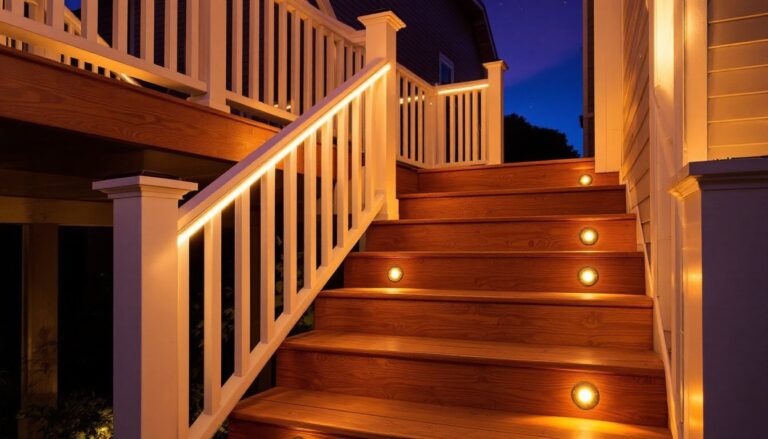
Step lighting is non-negotiable if you have grade changes. Recessed riser lights or surface-mount fixtures on the vertical face of each step prevent missteps. Tip: Wire step lights on a separate switch or timer so they’re on whenever it’s dark, independent of decorative lighting.
Patios, Decks, and Entertaining Areas
Overhead string lights create ambient light for entertaining but don’t provide enough task lighting for grilling or reading. Pair them with directional spotlights or recessed canister lights if your deck has a roof structure. For open patios, consider a mix of exterior home lighting ideas like post-cap lights on railings and downlights on pergola beams.
Task lighting over outdoor kitchens and bar areas should be bright enough for food prep, aim for fixtures rated 600 to 800 lumens. Dimmable options let you dial down intensity after cooking. Flush-mount or semi-flush ceiling fixtures work if you have a covered area: otherwise, adjustable wall-mount spots do the job.
Accent lighting on landscaping or architectural features uses narrow-beam spotlights (15 to 30 degrees). Position them at the base of trees or columns, aiming up. Space fixtures so beams overlap slightly for even coverage. Avoid lighting every tree, select two or three focal points.
Choosing the Right Fixtures for Charlotte’s Climate
Charlotte sits in USDA Zone 7b/8a, with hot, humid summers and occasional winter ice. Fixtures need to handle temperature swings, moisture, and UV exposure without corroding or fading.
Material matters. Aluminum and stainless steel resist rust better than steel or iron, especially in areas with lawn irrigation or near gutters. Powder-coated finishes hold up longer than paint. Plastic housings crack in freeze-thaw cycles, skip them for permanent installations.
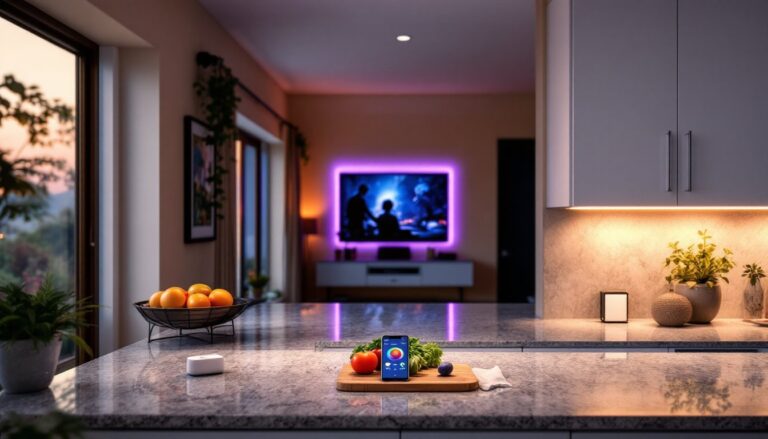
IP ratings (Ingress Protection) tell you how weatherproof a fixture is. For fully exposed locations (path lights, driveway markers), look for IP65 or higher (dust-tight, protected against water jets). Covered porch lights can get by with IP44 (splash-resistant). Many smart home systems now integrate outdoor lighting with motion sensors and app control, which Digital Trends covers extensively in their smart home guides.
LED bulbs are the default choice for outdoor use. They tolerate temperature extremes better than incandescent or CFL bulbs, last 25,000 to 50,000 hours, and use 75% less energy. Check the color temperature: 2700K to 3000K (warm white) suits residential settings: higher Kelvin ratings skew blue and feel harsh.
Low-voltage vs. line-voltage. Most landscape lighting runs on 12V low-voltage systems powered by a transformer. This is safer for DIY installation, easier to modify, and meets code without conduit in many jurisdictions. Line-voltage (120V) lighting requires conduit, GFCI protection, and often a permit. Save line-voltage for fixtures that need more power (large floodlights, gate operators).
DIY Outdoor Lighting Installation Tips
Start with a plan. Walk your property after dark and note problem areas: dark steps, unlit entries, spaces you want to use more. Sketch a simple site plan showing fixture locations, cable runs, and the transformer location. Most low-voltage transformers handle 200 to 300 watts: count up fixture wattage to size your transformer correctly.
Gather tools and materials:
- Low-voltage landscape lighting kit (transformer, cable, connectors, fixtures)
- Wire strippers and cable staples
- Spade or trenching tool (for burying cable 6 inches deep)
- Voltage tester and wire nuts
- Safety gear: gloves, safety glasses
Installation steps:
- Mount the transformer near a GFCI-protected outdoor outlet, ideally on a garage or house wall. Most transformers have built-in timers or photocells, set them after testing.
- Lay out cable runs from the transformer to fixture locations. Use 12- or 14-gauge landscape wire. Avoid sharp bends and keep runs under 100 feet to prevent voltage drop.
- Bury the cable 6 inches deep in a narrow trench. Use cable staples to secure it along fences or under deck edges if trenching isn’t possible.
- Connect fixtures using twist-on connectors or quick-connect clips. Don’t strip more wire than needed, excess exposed copper invites corrosion.
- Test voltage at the farthest fixture using a multimeter. You should see 10.8V to 12V. If voltage drops below 10V, the run is too long or the wire gauge is too small.
- Adjust aim and brightness. Many LED fixtures have adjustable heads or lumen settings. Walk the property at night and fine-tune angles to eliminate glare and dark spots.
When to call a pro: If you’re adding line-voltage fixtures, running new circuits, or working near underground utilities, hire a licensed electrician. Charlotte requires permits for some exterior electrical work, especially if you’re adding circuits or modifying service panels. Smart home integrations and advanced lighting controls often benefit from professional setup, and platforms like Tom’s Guide review specific smart outdoor lighting systems that pair with home automation hubs.
Safety notes: Always turn off power at the breaker before working on line-voltage circuits. Use GFCI protection for all outdoor outlets. Bury cable deep enough to avoid damage from lawn aeration or edging. If you hit an underground utility line, call 811 before you dig, it’s free and required by law.
Maintenance: Clean fixture lenses twice a year to prevent dirt buildup that dims output. Check wire connections annually for corrosion. Trim plants that grow over fixtures, overheating shortens LED lifespan. Replace photocells or timers if lights stop cycling on and off reliably.