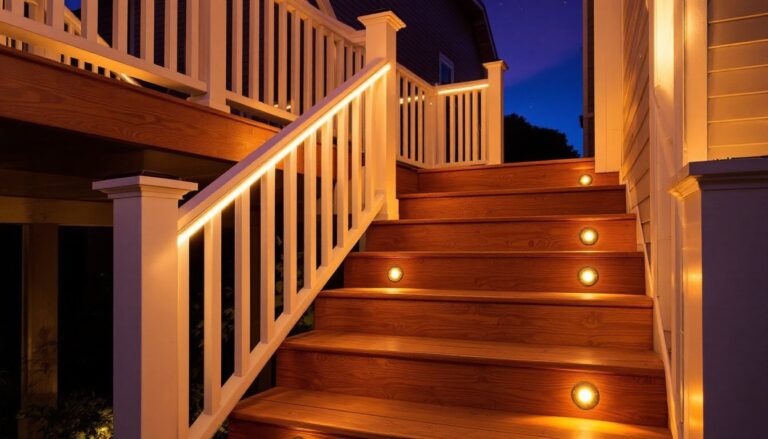
Low voltage LED landscape lighting has changed the game for DIYers who want professional-looking outdoor lighting without the cost or complexity of hiring an electrician. These systems run on 12 volts instead of standard 120-volt household current, making them safer to install and significantly more energy-efficient than older halogen alternatives. Whether lighting a walkway, accenting garden beds, or highlighting architectural features, LED fixtures deliver bright, focused light while drawing minimal power. The technology has matured to the point where homeowners can achieve dramatic curb appeal and improved nighttime safety with a weekend project and basic hand tools.
Table of Contents
ToggleKey Takeaways
- Low voltage LED landscape lighting operates on 12 volts DC instead of 120 volts, making installation safer for DIYers and requiring no licensed electrician or special permits.
- LED fixtures consume 75–80% less energy than halogen equivalents while lasting 25,000 to 50,000 hours, allowing homeowners to recoup their investment within two to three years.
- Proper transformer sizing, voltage drop management, and 12-gauge wire for runs longer than 50 feet are critical to preventing dimming and ensuring consistent light output throughout your landscape.
- Installation requires only basic hand tools and involves six straightforward steps—from mounting the transformer to testing connections before backfilling cable trenches.
- Annual maintenance like lens cleaning, connection inspections, and vegetation trimming keeps low voltage LED landscape lighting systems performing reliably for a decade or more.
What Is Low Voltage LED Landscape Lighting?
Low voltage landscape lighting operates on 12 volts DC rather than the 120 volts that power most household circuits. A transformer steps down the voltage from a standard outdoor outlet, feeding multiple fixtures through buried cable. The “low voltage” designation isn’t just marketing, it’s a safety classification recognized by the National Electrical Code (NEC), which treats 12V systems differently from line-voltage wiring.
LED (light-emitting diode) technology has largely replaced halogen and incandescent bulbs in these systems. LEDs produce the same or greater light output (measured in lumens) while consuming 75–80% less wattage. A typical LED path light draws 1–3 watts compared to 20 watts for an equivalent halogen.
Most residential kits include a transformer rated between 150 and 600 watts, direct-burial cable (usually 12- or 14-gauge stranded copper), and a variety of fixture types: path lights, spotlights, well lights, and flood lights. Higher-end systems offer modular components so homeowners can mix fixture styles on a single circuit.
The combination of low voltage and LED efficiency means these systems rarely trip breakers, generate minimal heat, and cost pennies per month to operate even when left on all night.
Why Choose LED Low Voltage Lighting for Your Landscape
Energy Efficiency and Cost Savings
LED fixtures convert electricity to light far more efficiently than older technologies. A 3-watt LED produces roughly 250–300 lumens, matching the output of a 20-watt halogen. Over a year, running ten 3-watt LEDs for eight hours nightly costs around $10–$12 in most regions, compared to $70–$90 for halogen equivalents at current residential electricity rates.
Beyond the electric bill, LEDs last 25,000 to 50,000 hours, often a decade or more of typical use, before needing replacement. Halogen bulbs burn out after 2,000–4,000 hours. Factoring in bulb replacement labor and fixture wear from heat cycling, the total cost of ownership favors LEDs by a wide margin. Many homeowners recoup the upfront investment within two to three years.
LED fixtures also produce less infrared heat, which means they’re safer around plants, mulch, and wood structures. There’s less risk of scorching foliage or creating fire hazards near dry landscaping materials.
Safety and Ease of Installation
Because 12-volt systems pose minimal shock risk, the NEC doesn’t require conduit for direct-burial cable in most residential applications (though local codes vary, always check). Homeowners can trench shallow channels with a flat spade, lay cable, and backfill without running rigid conduit or hiring a licensed electrician.
The transformer plugs into a standard GFCI-protected outdoor outlet. No new circuits or panel work needed in most cases. If a fixture fails or cable gets nicked by a shovel, the risk of serious injury is negligible compared to line-voltage systems.
Installation is forgiving. Unlike 120V wiring, there’s no code requirement for junction boxes at every connection point. Many fixtures use simple twist-on wire connectors or pierce-point terminals that clamp onto the main cable without cutting it, ideal for adding lights incrementally or relocating fixtures as landscaping matures.
Planning Your Low Voltage LED Lighting Layout
Start with a scaled sketch of the property, marking existing features: walkways, driveways, trees, flowerbeds, architectural focal points. Walk the yard after dark to identify safety hazards (steps, grade changes, blind corners) and note which features deserve accent lighting.
Calculate total wattage before buying a transformer. Add up the wattage of all planned fixtures, then multiply by 1.25 to avoid overloading the transformer or causing voltage drop. If the total is 200 watts, choose at least a 250-watt transformer. Undersized transformers cause dimming at the far end of cable runs.
Voltage drop is the main technical challenge in low voltage systems. As current travels through wire, resistance reduces voltage. A fixture 100 feet from the transformer may receive only 10.5 volts instead of 12, causing noticeable dimming. To minimize voltage drop:
- Keep cable runs under 100–150 feet.
- Use 12-gauge wire for runs longer than 50 feet or loads above 100 watts.
- Consider a hub layout (multiple home runs from the transformer) rather than daisy-chaining all fixtures on one long cable.
Group fixtures by purpose. Path lights typically need 50–100 lumens each, spaced 8–10 feet apart. Spotlights for trees or architectural features range from 200–400 lumens depending on the size of the subject. Overlighting is a common beginner mistake, subtlety reads as sophistication in exterior home lighting.
Mark transformer and cable routing on your sketch. Bury cable at least 6 inches deep (check local code) and route it along fence lines, bed edges, or under mulch where future digging is unlikely. Avoid running cable under driveways or heavily trafficked areas.
Step-by-Step Installation Guide for DIY Homeowners
Tools and materials:
- Low voltage transformer (sized to total load)
- LED landscape fixtures
- 12- or 14-gauge direct-burial landscape cable
- Flat spade or trenching tool
- Wire strippers
- Twist-on connectors or pierce-point terminals
- Timer or photocell (if not integrated into transformer)
- Safety gear: work gloves, safety glasses
Step 1: Mount the transformer
Install the transformer near a GFCI-protected outdoor outlet, typically within 2 feet of the receptacle per NEC guidelines. Most transformers have keyhole mounts for screws into siding or a post. Ensure the unit is weatherproof-rated (look for a UL listing for wet locations) and positioned so the dial or timer is easily accessible.
Step 2: Lay out fixtures and cable
Place fixtures at planned locations without staking them yet. Unroll cable along the route, leaving extra slack at each fixture (about 12 inches) and at the transformer. Avoid tight bends that stress copper strands.
Step 3: Trench and bury cable
Dig a narrow trench 6–8 inches deep along the cable route. A flat spade works for short runs: rent a manual or powered trencher for jobs over 100 feet. Lay cable in the trench but don’t backfill yet, you’ll want to test connections first.
Step 4: Connect fixtures
Most LED fixtures use one of two connection methods:
- Pierce-point connectors: Clamp onto the main cable without cutting. Position the fixture lead wires in the connector, close the lid, and tighten screws to drive metal teeth through insulation and into copper.
- Twist-on connectors: Strip 1/2 inch of insulation from both the main cable and fixture leads, twist together, and secure with a waterproof wire nut filled with dielectric grease.
Stake fixtures at the desired height and angle. Path lights typically sit 14–18 inches above grade: spotlights and well lights sit at or below grade depending on the effect.
Step 5: Connect to transformer and test
Attach the main cable leads to the transformer’s low-voltage terminals (usually marked “12V” or “output”). Most transformers have screw terminals or quick-connect ports. Polarity doesn’t matter for LED fixtures in most residential systems, but check manufacturer instructions.
Plug in the transformer and verify all fixtures illuminate. Walk the line checking for dim or dead lights, which indicate loose connections or damaged cable. If the last fixtures on a long run are noticeably dim, you may need to split the circuit or upgrade to heavier-gauge wire.
Step 6: Backfill and adjust
Once all lights work, backfill trenches and tamp soil lightly. Aim lights at focal points, adjusting angles and heights for even coverage without glare. Path lights should point downward to illuminate walking surfaces without shining into eyes at standing height. For design considerations that complement LED exterior home lighting, balance functional and decorative elements.
Step 7: Set timer or photocell
Program the transformer’s built-in timer or install a separate photocell to automate on/off cycles. Most homeowners set lights to run from dusk until 11 PM or midnight, then off until dawn to save energy.
Maintenance Tips to Keep Your LED Landscape Lights Shining
LED fixtures are nearly maintenance-free, but a few seasonal checks prevent problems.
Clean lenses annually. Dirt, pollen, and mineral deposits from sprinklers reduce light output. Wipe lenses with a damp cloth and mild detergent. Avoid abrasive cleaners that scratch polycarbonate or acrylic.
Check connections. Moisture intrusion is the most common failure point. Once a year, inspect twist-on connectors and pierce-point terminals for corrosion. Reapply dielectric grease if connections look dry or oxidized. Many experts at The Spruce recommend using silicone-filled wire nuts rated for direct burial.
Trim vegetation. Plants grow, and a spotlight that beautifully up-lit a young tree may be blocked by lower branches two years later. Adjust fixture angles and heights as landscaping matures.
Inspect cable routing. Frost heave, settling soil, and aggressive roots can expose buried cable. After heavy rains or freeze-thaw cycles, walk the property looking for exposed wire. Re-bury and flag the location to avoid future digging mishaps.
Test the transformer. If multiple lights fail simultaneously, check the transformer’s breaker or fuse (most have internal overcurrent protection). Verify the timer hasn’t been accidentally reprogrammed. Transformers typically last 10–15 years before components degrade.
Replace damaged fixtures promptly. A single failing LED in a fixture can cause the entire unit to flicker or go dark. Most quality fixtures have replaceable LED modules or entire heads, avoiding the need to replace stakes and wiring. According to reviews on Tom’s Guide, modular designs from reputable manufacturers offer the best long-term value.
Winter considerations. In freezing climates, some homeowners unplug transformers to avoid wear from thermal cycling, though modern units are designed for year-round operation. If you do power down, leave fixtures in place, removing and reinstalling each spring invites cable damage and misalignment.
Voltage checks. Every few years, use a multimeter to measure voltage at fixtures farthest from the transformer. If readings have dropped below 10.5 volts, voltage drop has worsened, often due to corroded connections or cable nicks. Address the issue before dimming becomes severe. Landscape design platforms like Hunker emphasize that consistent light levels are key to maintaining visual balance in outdoor spaces.