Recessed lighting has been a staple in American homes since the 1950s, but recent shifts toward statement fixtures and layered lighting have homeowners questioning whether those clean, minimalist cans are still relevant. The short answer? Recessed lighting isn’t out of style, but how it’s used has evolved. Today’s design landscape values versatility, and recessed fixtures still deliver on function, flexibility, and clean lines. The difference is context: overly gridded ceilings and poorly spaced cans can feel cold and commercial, while thoughtful placement and modern trim styles keep the look current. This guide breaks down when recessed lighting works, when it doesn’t, and how to update or complement it for a 2026-ready home.
Table of Contents
ToggleKey Takeaways
- Recessed lighting isn’t out of style—it’s evolving, with modern design favoring strategic placement, low-profile trims, and LED retrofits over outdated grid installations.
- Contemporary homes use layered lighting that combines recessed fixtures with pendants, sconces, and smart controls to create depth and warmth while maintaining clean aesthetics.
- Recessed lighting remains popular for space efficiency, energy savings (75–80% less energy with LED), and versatility across architectural styles from minimalist to farmhouse.
- Overuse and poor spacing are the biggest mistakes that date a room—avoid packed ceilings with 4-foot spacing and instead aim for 4–6 feet apart with intentional placement.
- Modernize existing recessed lighting by swapping trims for frameless options, upgrading to LED retrofit modules with adjustable color temperature, and adding dimmer switches for flexibility.
- Kitchens, bathrooms, hallways, and basements are ideal for recessed lighting, but always balance ambient fixtures with task and accent lighting to avoid a cold, one-dimensional look.
The Current Status of Recessed Lighting in Modern Design
Recessed lighting, also known as can lights or downlights, is far from obsolete. Walk through new construction or high-end remodels, and you’ll still see them in kitchens, hallways, bathrooms, and living spaces. The difference is in application.
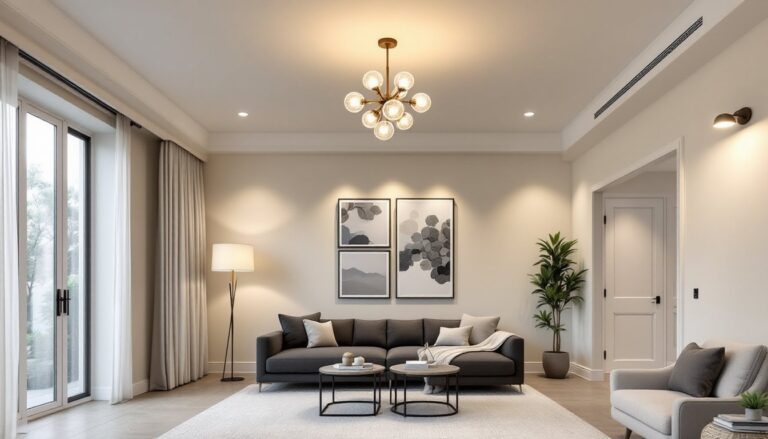
In 2026, designers favor layered lighting schemes that combine recessed fixtures with pendants, sconces, and under-cabinet strips. Recessed lights provide ambient or task illumination without visual clutter, making them ideal for modern and minimalist interiors where the architecture, not the fixtures, takes center stage.
What’s changed is the tolerance for generic, grid-pattern installations. Rows of evenly spaced 6-inch cans across an entire ceiling can read as builder-grade or institutional. Instead, current trends lean toward strategic placement: fewer fixtures, larger spacing, and integration with dimmers and smart controls. LED retrofit kits and low-profile trims have also modernized the look, eliminating the bulky, recessed appearance of older halogen cans.
Recessed lighting’s staying power comes from its adaptability. It works in nearly any architectural style, from mid-century modern to farmhouse to contemporary, as long as it’s planned with intention, not installed on autopilot.
Why Recessed Lighting Remains Popular Today
Recessed lighting continues to be a go-to for both builders and DIYers for several practical reasons.
Space efficiency is the biggest draw. In rooms with low ceilings (under 8 feet) or tight clearances, recessed fixtures don’t encroach on headroom the way pendants or flush-mounts do. They’re also ideal in areas where you need light but don’t want fixtures interrupting sightlines, think art galleries, media rooms, or spaces with vaulted ceilings.
Energy efficiency has improved dramatically. Modern LED recessed housings (often rated for direct contact with insulation, or IC-rated) use 75–80% less energy than older incandescent cans and last 25,000–50,000 hours. Many are now dimmable and compatible with smart home systems, letting homeowners adjust color temperature and brightness on the fly.
Clean aesthetics matter. Recessed lights virtually disappear into the ceiling plane, which appeals to anyone who wants a streamlined, uncluttered look. They don’t collect dust, don’t require shade updates, and won’t clash with future decor changes.
Versatility rounds out the appeal. You can use narrow-beam trims to spotlight artwork, wide-flood optics for general illumination, or adjustable eyeball trims to direct light where it’s needed. Pair that flexibility with the ability to retrofit existing housings without tearing into drywall, and it’s easy to see why recessed lighting hasn’t gone anywhere.
When Recessed Lighting Can Look Dated
Not all recessed lighting installations age well. Certain design choices can make a space feel stuck in the early 2000s, or worse, like a commercial office.
Overuse is the most common mistake. A ceiling packed with cans spaced 4 feet apart in every direction creates harsh, flat illumination and reads as builder spec rather than intentional design. This approach often stems from the assumption that more light equals better lighting, but it ignores the value of shadow, contrast, and focal points.
Outdated trim styles are another giveaway. Large, white plastic baffles or brass-finish trims scream 1990s. If your cans have visible reflector cones or thick trim rings that protrude below the ceiling plane, they’re likely due for an upgrade.
Poor spacing and placement can also date a room. Fixtures placed too close to walls create scalloped shadows, while random layouts with no relationship to furniture or architectural features feel haphazard. In open-concept spaces, mismatched can sizes or inconsistent beam angles disrupt visual flow.
Finally, ignoring other light sources is a missed opportunity. Relying solely on recessed lighting, without pendants over islands, sconces flanking mirrors, or table lamps for ambiance, can leave a room feeling cold and one-dimensional. Even some celebrity designers have moved away from heavy recessed lighting in favor of warmer, more varied fixtures that add personality and warmth to a space.
Modern Alternatives and Complementary Lighting Options
While recessed lighting has its place, mixing in other fixture types creates depth and character. Here are the most effective alternatives and complements for 2026.
Pendant lights offer focused task lighting and visual interest. They’re ideal over kitchen islands, dining tables, and breakfast nooks. Choose pendants with adjustable heights or clustered installations for flexibility.
Track and rail lighting provides directional control without the permanence of recessed cans. Modern track systems come in sleek, minimalist profiles and work well in galleries, studios, or contemporary kitchens where accent lighting needs may change.
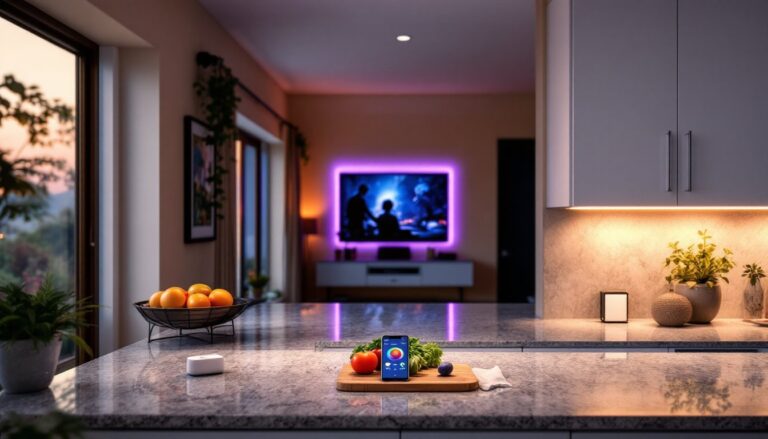
Linear LED fixtures, including channels, strips, and edge-lit panels, deliver clean, architectural lighting for coves, toe kicks, and under-cabinet applications. They integrate seamlessly into modern and mid-century interiors and are increasingly popular in contemporary design showcases.
Flush and semi-flush mounts serve as central ambient sources in bedrooms, closets, and hallways. Look for low-profile designs with integrated LEDs and diffused lenses to avoid the dated dome-and-finial look.
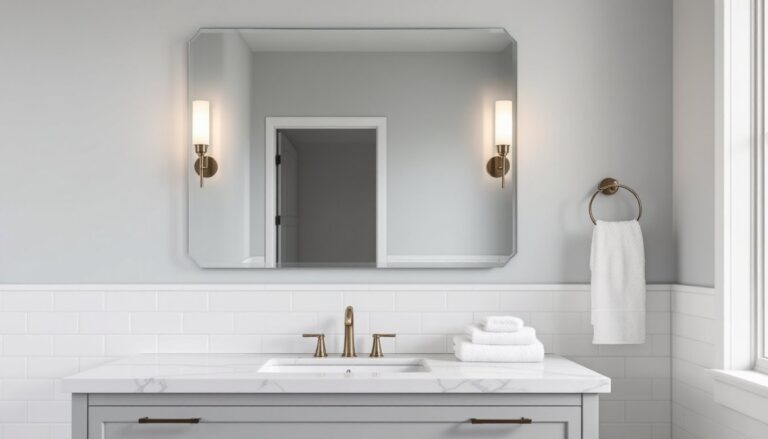
Wall sconces add layers and ambiance. Flanking a mirror, lining a hallway, or mounted beside a bed, sconces introduce warmth and human scale that ceiling-only lighting can’t match.
Smart bulbs and fixtures bring control and customization. Tunable white LEDs let users shift from cool, task-focused light during the day to warm, relaxing tones at night. Many platforms integrate with voice assistants and home automation systems.
The key is balance. A well-lit room uses three layers: ambient (general illumination, often recessed), task (focused light for specific activities), and accent (highlighting art, architecture, or decor). Recessed lights handle one or two of those roles, but rarely all three.
How to Update Recessed Lighting for a Fresh Look
If you already have recessed cans but want to modernize the look, you don’t need to rip out housings or replaster ceilings. A few targeted upgrades can make a big difference.
Swap old trims for low-profile, frameless options. New retrofit kits with thin bezels or zero-trim designs sit nearly flush with the ceiling and come in finishes like matte black, brushed nickel, or white. These kits often include integrated LED modules, eliminating the need for separate bulbs.
Switch to LED retrofit modules if your existing housings are in good shape. These screw or clip into standard 4-inch, 5-inch, or 6-inch cans and offer better color rendering (look for a CRI of 90+), adjustable color temperatures (2700K–5000K), and dimming compatibility. Most are IC-rated and meet updated energy codes.
Install dimmer switches and smart controls. Even the best recessed lights feel harsh at full brightness. A quality LED-compatible dimmer (not an old incandescent-style slider) lets you dial in the right level for any activity. Smart dimmers add scheduling, voice control, and integration with scenes.
Reduce the number of active fixtures. If your ceiling is over-lit, remove bulbs or disconnect select cans. This works especially well in open-concept spaces where you want to create zones rather than flood the entire area with uniform light.
Add complementary fixtures. Hang pendants, install sconces, or introduce floor and table lamps to layer in warmth and visual interest. Many interior design resources emphasize mixing fixture types to avoid monotony.
Adjust spacing and aim. If you’re planning a remodel, relocate cans to follow best practices: typically 4–6 feet apart for general lighting, 24–30 inches from walls to avoid shadows, and centered over task areas like countertops or sinks.
Best Rooms and Spaces for Recessed Lighting
Recessed lighting shines, literally, in certain applications. Knowing where it works best helps you plan effective layouts.
Kitchens are prime territory. Use recessed cans for general ambient lighting, spaced evenly across the ceiling. Add adjustable trims over the sink or range for task lighting, and pair with under-cabinet LED strips and pendant lights over the island for a layered approach. Follow the 3-foot rule: space cans roughly 3 feet apart for even coverage in a room with 8-foot ceilings.
Bathrooms benefit from recessed lights around vanities and over showers or tubs. Choose wet-rated or damp-rated housings for enclosed showers and tubs (check the label). Avoid placing a single can directly over a mirror: it creates shadows. Instead, flank the mirror with sconces and use recessed lights for general illumination.
Hallways and entryways often lack space for large fixtures. Recessed cans provide clean, unobtrusive lighting and can be wired to three-way switches for convenience. Space them 6–8 feet apart in a straight line down the center.
Living rooms and bedrooms work well with minimal recessed lighting for ambient fill, supplemented by lamps and accent fixtures. Use dimmers to keep light levels flexible. Avoid over-lighting: these are spaces where mood matters more than visibility.
Closets and pantries are practical spots for a single recessed fixture. Look for shallow-depth or “remodel” housings if ceiling clearance is tight. Motion sensors or door switches add convenience.
Basements and media rooms benefit from recessed lighting’s low profile and glare control. Use deep-baffle trims or adjustable gimbal trims to minimize reflections on screens.
Conclusion
Recessed lighting isn’t going anywhere, it’s simply evolving. When used thoughtfully, with attention to spacing, trim style, and layering, it remains a clean, efficient, and versatile lighting solution for modern homes. The key is avoiding the cookie-cutter grid approach and instead treating recessed fixtures as one tool in a broader lighting strategy. Upgrade old trims, integrate smart controls, and mix in complementary fixtures to keep your space feeling current, intentional, and well-lit.