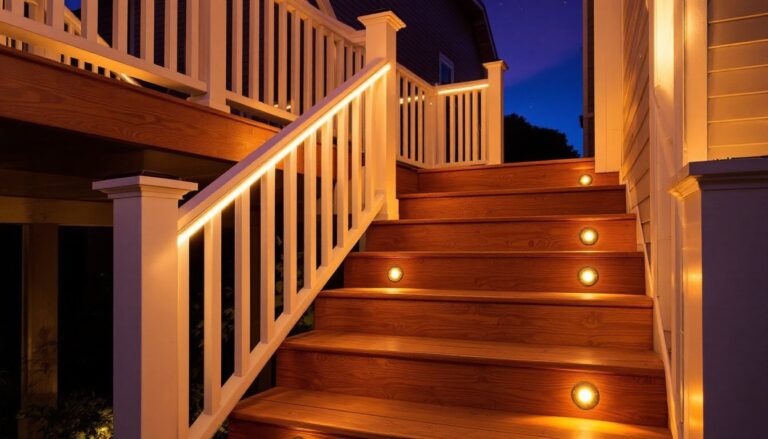
Low voltage landscape lighting transforms yards from invisible after-dark voids into welcoming, secure outdoor living spaces. Unlike line-voltage systems that run on 120V and require permits and licensed electricians, low voltage setups operate at 12V, making them safer, easier to install, and fully DIYable for most homeowners. The transformer steps down household current, feeding wire that poses no shock risk if accidentally nicked with a shovel. Fixtures snap or screw onto cables without junction boxes, and the entire system can be repositioned if the first layout doesn’t quite nail the effect. This guide walks through planning, installing, and testing a low voltage landscape lighting system from start to finish.
Table of Contents
ToggleKey Takeaways
- Low voltage landscape lighting operates safely at 12V without permits or licensed electricians, making it ideal for DIY homeowners who want to transform their yards without expensive professional installation.
- Planning your layout before installation is critical—identify focal points, mark pathways, calculate total wattage, and sketch cable routes to minimize voltage drop and prevent costly mistakes.
- Proper cable burial at 2–4 inches deep and strategic fixture placement prevents dimming, ensures safety around kids and pets, and keeps your low voltage landscape lighting system reliable for years with minimal maintenance.
- A 200-watt transformer can power 20–40 LED fixtures, combining energy efficiency with performance and reducing operating costs significantly compared to traditional line-voltage systems.
- Testing the system with a multimeter before backfilling trenches catches connection issues early, with voltage readings should stay between 10.5–12V to avoid dimming and preserve LED lifespan.
- Most homeowners complete a low voltage landscape lighting installation for $200–$600, with the transformer being the largest expense but offering built-in timers and photocells for automated operation.
Why Choose Low Voltage Landscape Lighting for Your Yard
Low voltage systems hit the sweet spot between performance and practicality. The 12V output is safe enough that most jurisdictions don’t require permits or inspections, always verify local codes, but the barrier to entry is dramatically lower than line-voltage alternatives.
Installation flexibility stands out as a major advantage. Homeowners can add fixtures, relocate lights, or expand zones without cutting drywall or hiring electricians. The cable typically buries just 2-4 inches deep or tucks under mulch, and fixtures connect via quick-clip or piercing connectors that take seconds.
Energy efficiency keeps operating costs minimal. LED fixtures paired with low voltage draw as little as 3-5 watts per light, and a 200-watt transformer can power 20-40 fixtures depending on bulb wattage. Many LED exterior home fixtures last 30,000-50,000 hours, eliminating the constant bulb-swapping that plagued older halogen systems.
Safety gives peace of mind around kids, pets, and water features. Even if a cable gets severed during garden work, 12V won’t deliver a dangerous shock. This makes low voltage ideal for pathways, pond edges, and play areas where line-voltage would pose real risk.
Essential Tools and Materials You’ll Need
Gather these before starting:
Tools:
- Flat-blade shovel or edging tool for cable trenching
- Wire strippers (14-16 gauge capacity)
- Screwdriver set (Phillips and flat-head)
- Voltage tester or multimeter for troubleshooting
- Tape measure (100-foot recommended)
- Hammer or rubber mallet for ground stakes
- Drill with masonry bit (if mounting transformer to brick or concrete)
Materials:
- Low voltage transformer sized for total fixture wattage plus 20% overhead (150W, 200W, or 300W common)
- Low voltage cable (12/2 or 14/2 gauge, heavier gauge for longer runs to reduce voltage drop)
- Landscape light fixtures (path lights, spotlights, well lights, etc.)
- Wire connectors (quick-clip or piercing type, usually included with fixtures)
- Ground stakes (often bundled with fixtures)
- Waterproof wire nuts (if splicing cable runs)
- Outdoor-rated GFCI outlet (if one doesn’t already exist near transformer location)
Safety Gear:
- Work gloves
- Safety glasses (especially when drilling masonry)
Most homeowners spend $200-$600 on a starter system covering 8-12 fixtures, though prices swing based on fixture style and transformer capacity. The transformer represents the biggest single cost, typically $50-$150 for residential-grade models with built-in timers and photocells.
Planning Your Landscape Lighting Layout
Smart layout makes the difference between dramatic lighting and wasted electricity. Start by walking the yard at dusk with a flashlight or portable work light, previewing fixture positions before buying anything.
Identify focal points first: trees with interesting bark, architectural features, water features, specimen plants. These get spotlights or well lights aimed upward at 30-45 degree angles from 3-6 feet away.
Mark pathways and stairs where safety matters most. Path lights should sit 6-10 feet apart along walkways, staggered on alternating sides to eliminate harsh shadows and evenly wash the ground. Steps need illumination at each riser or every other step minimum.
Calculate total wattage by adding fixture draw (check bulb specs, typically 3-7 watts for LED). Multiply by 1.2 to build in safety margin, then choose a transformer rated above that total. A 200-watt transformer comfortably handles 25-30 LED path lights at 5 watts each.
Plan cable runs to minimize voltage drop. Low voltage systems lose voltage over distance, dimming distant fixtures. Keep main cable runs under 100 feet for 12-gauge wire. For longer distances or high-wattage fixtures, step up to 10-gauge wire or run multiple zones from the transformer.
Many exterior lighting projects benefit from sketching a simple plot on graph paper, marking fixture locations and cable routing before digging. Note any underground utilities, call 811 for free locating service at least two business days before breaking ground.
Group fixtures into zones if using a multi-tap transformer. Front walkway, backyard accents, and driveway might each get separate circuits, allowing different timer settings or easier troubleshooting later.
Step-by-Step Installation Process
Installing the Transformer
The transformer mounts near an outdoor GFCI-protected outlet, ideally within 5-10 feet to keep the power cord reach reasonable. Most codes require outdoor outlets to have GFCI protection, if yours doesn’t, replace it or have an electrician add one.
-
Mount the transformer at least 12 inches above grade to keep electronics dry during heavy rain. Use the provided mounting bracket and corrosion-resistant screws. For masonry, drill pilot holes with a masonry bit and use plastic anchors.
-
Set the timer and photocell according to manufacturer instructions. Most transformers include a built-in timer dial and light sensor that auto-adjusts for seasonal daylight changes. Program lights to turn on at dusk and off around midnight, or use dawn-to-dusk mode if preferred.
-
Attach the low voltage cable to the transformer output terminals. Some units have screw terminals: others use quick-connect plugs. Many workshop guides recommend labeling each cable run with masking tape if operating multiple zones.
-
Don’t plug in yet. Leave the transformer unpowered until all fixtures are connected and tested to avoid working on live circuits.
Running the Cable and Positioning Fixtures
Cable routing determines system reliability and aesthetics. Bury wire deep enough to protect from mowers and edgers, but shallow enough to access for maintenance.
-
Lay out cable along planned routes without burying, positioning it exactly where it’ll eventually sit. This dry run catches routing mistakes before trenching.
-
Cut shallow trenches 2-4 inches deep using a flat shovel or edging tool. For runs under lawn, a straight-blade shovel cuts a narrow slot: slide the cable in and press turf back over it. Under mulch beds, simply tuck cable beneath the surface layer.
-
Position fixture stakes before connecting anything. Push or hammer stakes into the ground at marked locations, aiming spotlights and well lights toward focal points. Path lights should stand 14-20 inches tall with shields facing walkways to prevent glare.
-
Connect fixtures to the main cable using the provided connectors. Quick-clip connectors snap over the cable without stripping, a small blade inside pierces insulation to make contact. Piercing connectors work similarly but screw down to bite through insulation. Both types are waterproof when properly seated.
-
Space connections to balance load. Don’t cluster all fixtures at the end of a long run, stagger them along the cable to distribute current draw and minimize voltage drop. For detailed connection techniques, home maintenance resources provide visual walkthroughs.
-
Leave service loops of 6-12 inches of extra cable at each fixture. This slack makes bulb changes and fixture adjustments easier without pulling on connections.
-
Bury the cable once all connections are made, tucking it firmly into trenches and covering with soil or mulch. Flag connections with small marking stakes if worried about forgetting locations later.
-
Double-check polarity if fixtures have directional connectors (most LED systems do). The cable usually has a ribbed side indicating positive or negative, match it to fixture markings.
Testing and Troubleshooting Your System
With everything connected, power up and test before backfilling trenches permanently.
-
Plug in the transformer and manually override the timer to turn the system on immediately. All fixtures should illuminate within seconds.
-
Walk the entire layout checking each light. Note any dim bulbs, non-functioning fixtures, or flickering, these indicate connection issues or voltage drop problems.
-
Measure voltage at distant fixtures using a multimeter set to DC volts. Probe the connection points while lights are on. Voltage should read 10.5-12V. Readings below 10.5V cause dimming and reduce LED lifespan. If voltage sags, solutions include upgrading to heavier gauge wire, shortening the run, reducing fixture count on that zone, or moving fixtures closer to the transformer.
-
Test the photocell and timer by covering the light sensor with tape, the system should power on even in daylight. Remove tape and verify it shuts off. Set the timer to cycle on and off at a near-future time to confirm it operates correctly.
-
Inspect all connections if specific fixtures won’t light. Reseat quick-clip connectors, ensuring the piercing blade fully penetrated the insulation. Corroded or loose connections account for most failures.
-
Check for short circuits if the transformer trips immediately when powered on. Disconnect fixtures one at a time until the transformer stays on, isolating the problem light or cable section.
Common fixes for dim or dead lights include cleaning corrosion from connectors with a wire brush, replacing damaged cable sections, or redistributing fixtures to reduce voltage drop. DIY lighting projects from project tutorial sites often note that patience during testing saves hours of re-digging later.
Once the system works flawlessly, complete burial of all cables and secure loose stakes. Run the lights for several nights, fine-tuning aim and brightness to achieve the desired effect. Most transformers include brightness dimmers, dial down if lights feel too intense.
Low voltage landscape lighting systems demand minimal maintenance beyond occasional bulb replacement and seasonal connection checks. With proper installation, they’ll reliably illuminate outdoor spaces for years with almost zero upkeep.