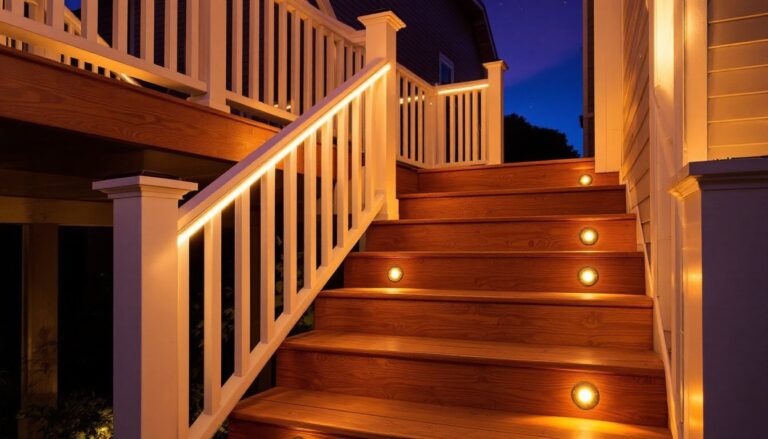
Outdoor lighting transforms a yard from a dark afterthought into a usable evening space. It highlights trees, illuminates paths, and adds curb appeal that lasts well past sunset. But many homeowners skip it, assuming it requires an electrician and a four-figure invoice.
Good news: most landscape lighting runs on low-voltage systems (12V or 24V), which means no permit, no electrician’s license required, and a weekend’s work. The transformer plugs into a standard outdoor outlet, and the rest is buried wire and strategically placed fixtures. This guide walks through the full process, from layout planning to final connections, so anyone comfortable with basic tools can get it done right.
Table of Contents
ToggleKey Takeaways
- Install landscape lighting using low-voltage 12V or 24V systems that require no electrician, permit, or special license—most homeowners can complete the project over a weekend.
- Plan your layout by walking the property at dusk, identifying focal points and hazards, then sketch zones with 6–12 total fixtures using three main techniques: path lighting, uplighting, and downlighting.
- Choose a low-voltage LED system over solar for consistent brightness, reliable performance in shade, and long-term durability—LEDs last 25,000+ hours and maintain warm white color (2700K–3000K) for an inviting glow.
- Run landscape wire in 4–6 inch trenches along your planned route, using 12-gauge for runs over 50 feet to prevent voltage drop and ensure fixtures at the end of the line remain bright.
- Connect fixtures using waterproof piercing connectors or gel-filled wire connectors, test the entire system before backfilling, and always turn off the transformer before making adjustments for safety.
- Call your local utility locator (811) before digging to mark buried gas, electric, and telecom lines, preventing costly and dangerous damage during installation.
Planning Your Landscape Lighting Layout
Lighting design isn’t about flooding the yard with fixtures. It’s about creating focal points, guiding movement, and layering light for depth.
Start by walking the property at dusk with a notepad. Identify what needs light: walkways, steps, the driveway, specimen trees, architectural features, or garden beds. Mark spots where shadows create trip hazards or where a little uplighting would showcase a feature.
Three main lighting techniques to consider:
- Path lighting: Low fixtures (12–18 inches tall) that guide foot traffic without glare. Space them 6–10 feet apart along walkways.
- Uplighting: Fixtures aimed upward at trees, columns, or walls to create dramatic height and texture. Place 2–4 feet from the feature, angled 30–45 degrees.
- Downlighting: Fixtures mounted in trees or under eaves to mimic moonlight. Best for patios, seating areas, and entryways.
Sketch a rough layout on graph paper or use a smartphone app. Mark the transformer location (near an outdoor GFIP outlet), then trace cable runs to each fixture. Keep runs under 100 feet per circuit to avoid voltage drop, more on that in a moment.
Count fixtures by zone. A typical setup uses 6–12 lights total, depending on lot size. Don’t overdo it. Overlighting kills ambiance and wastes energy.
Choosing the Right Landscape Lighting System
Two main options dominate the residential landscape market: low-voltage wired systems and solar-powered fixtures. Each has trade-offs.
Low-Voltage vs. Solar Lighting
Low-voltage systems run on 12V or 24V power supplied by a plug-in transformer. They deliver consistent brightness, work in shade, and support a wide range of fixture styles. Transformers range from 100W to 600W capacity: a typical LED fixture draws 3–7 watts, so a 300W transformer can handle 40–100 lights depending on wattage. Look for transformers with built-in timers and photocells to automate on/off cycles.
Cable for low-voltage systems is typically 12-gauge or 14-gauge landscape wire. Use 12-gauge for runs over 50 feet to minimize voltage drop. Thicker wire = less resistance = brighter bulbs at the end of the line.
Solar fixtures are wire-free and easy to reposition, but they’re entirely dependent on sun exposure. They work well for accent lights in open areas but struggle under tree canopy or on north-facing beds. Battery life degrades after 2–3 years, and light output is generally dimmer than wired LEDs. Fine for supplemental lighting, but don’t rely on them for primary path or security lighting.
For most projects, a low-voltage LED system offers the best balance of performance, longevity, and control. LEDs last 25,000+ hours, use a fraction of the power of halogen, and maintain color consistency. Opt for fixtures with brass or copper housings rather than plastic: they cost more upfront but resist UV degradation and corrosion.
Choose a color temperature between 2700K and 3000K (warm white) for a natural, inviting glow. Anything cooler looks harsh and commercial.
Gathering Your Tools and Materials
Having everything on hand before starting saves trips to the hardware store mid-project.
Materials:
- Low-voltage transformer (sized to total fixture wattage + 20% overhead)
- Landscape lighting fixtures (path lights, spotlights, or well lights as planned)
- 12-gauge or 14-gauge landscape wire (measure total run length + 10% extra)
- Wire connectors (waterproof gel-filled or silicone-lined types)
- Ground stakes (usually included with fixtures, but have extras)
- Outdoor-rated GFCI outlet (if one isn’t already present)
Tools:
- Flat-blade spade or landscape edger (for cutting wire trenches)
- Wire strippers
- Voltage tester or multimeter
- Tape measure
- Hammer or rubber mallet (for driving stakes)
- Screwdriver set
- Safety glasses and work gloves
You can rent a manual sod cutter or trenching tool if the yard has thick turf, but a sharp spade works fine for most installs. The goal is a narrow slit 4–6 inches deep, not a full trench.
Before digging, call 811 or your local utility locator service. It’s free, required in most jurisdictions, and prevents hitting buried gas, electric, or telecom lines. Wait the mandated period (usually 2–3 business days) for the site to be marked.
Installing Your Landscape Lighting System
With the plan drawn and materials staged, installation follows a logical sequence: mount the transformer, run cable, connect fixtures, test, and bury.
Placing the Transformer and Running Cable
Mount the transformer on an exterior wall near a GFCI outlet, ideally within 10 feet. Use corrosion-resistant screws (stainless steel or coated) and ensure the unit is level. Most transformers have a hinged cover that opens to reveal terminal posts and a timer dial.
Plug the transformer in and set the timer to your preferred on/off schedule (common settings: dusk to 11 PM, or dusk to dawn). Test that the outlet is working and the GFCI hasn’t tripped.
Next, lay out the landscape wire along the planned route without burying it yet. Start at the transformer and run to the farthest fixture, then branch to closer ones if using a hub-and-spoke layout. Alternatively, run a single daisy-chain loop that returns to the transformer, which balances voltage and prevents dim fixtures at the end.
Leave 6–12 inches of slack at each fixture location and an extra 2 feet at the transformer. Wire is cheap: cutting it too short is a pain.
Once the wire is positioned, use a spade or edger to cut a narrow trench 4–6 inches deep. In areas with foot traffic or mowing, go deeper (6 inches). Lay the wire in the trench but don’t backfill yet, wait until fixtures are connected and tested.
Voltage drop matters. On a 100-foot run with 14-gauge wire, voltage can sag from 12V to under 10V, dimming LEDs noticeably. If that’s a concern, use 12-gauge wire or split the load across multiple transformer circuits. For installations covering diverse exterior home lighting applications, managing voltage across zones ensures consistent brightness.
Positioning and Connecting Light Fixtures
Place each fixture at its planned location. For path lights, drive the stake into the ground with a rubber mallet until the base sits flush with soil. Aim the light downward to minimize glare at eye level.
For spotlights or well lights, position them 2–4 feet from the target (tree trunk, wall, or shrub) and angle upward. Adjust before final staking to get the beam where you want it.
Now connect the fixtures to the landscape wire. Most low-voltage lights use a piercing connector (also called a vampire or quick-connect). It has two metal pins that puncture the wire insulation when the fixture lead is inserted and the cap is snapped shut. No stripping required, but make sure the connector is rated for outdoor use and has a waterproof seal.
If the fixture uses screw terminals or crimp connectors, strip ½ inch of insulation, twist wires together, and seal with a gel-filled wire connector (not standard wire nuts, they aren’t waterproof). Tuck the connection into the fixture base or bury it in a small pit lined with gravel for drainage.
Work methodically down the line, connecting each fixture. Don’t bury the wire yet.
Once all fixtures are connected, return to the transformer and attach the landscape wire to the terminal posts. Most transformers label these as “12V common” and “12V load.” Match the wire to the correct terminals and tighten the screws firmly.
Turn the system on. Walk the circuit and verify every fixture lights up. If one or more are dim or dark, check for:
- Loose connections
- Reversed polarity (swap wire leads)
- Voltage drop (measure with a multimeter at the transformer and at the last fixture: should read 10.8V–12V)
Adjust fixture positions, beam angles, and aim while the system is live. This is the time to tweak aesthetics.
Once satisfied, turn off the system and backfill the trenches. Press soil firmly but gently to avoid damaging the wire. Replace any sod or mulch that was displaced.
Safety note: Even though low-voltage systems are relatively safe, always turn off the transformer before making connections or adjustments. Wear safety glasses when driving stakes or cutting wire, and work gloves to protect hands from sharp edges.
Many homeowners expand their systems over time, and integrating energy-efficient options like LED exterior lighting can reduce long-term operating costs. Transformers with multiple taps allow for phased installations, so circuits can be added without replacing the unit.
For design inspiration beyond standard path lights, resources like Homedit showcase creative outdoor lighting applications that blend function and style. Similarly, The Spruce offers maintenance guides to keep fixtures clean and functional season after season. And for those interested in uplighting techniques that create dramatic focal points, Gardenista’s hardscaping guide provides detailed installation tips and design considerations.
Final check: After burying, turn the system back on at night and walk the property. Look for light spill onto neighbors’ yards, glare that hits windows or seating areas, or dark gaps that need an additional fixture. Minor adjustments now prevent regret later.
Most landscape lighting systems require minimal maintenance, clean lens covers annually, check connections after heavy rain, and replace bulbs (or entire LED fixtures) as needed. Timers and photocells handle the daily routine, so the system works quietly in the background.