A fire pit creates warmth and ambiance, but once the flames die down or you’re waiting for the wood to catch, your backyard can feel dim and disconnected. Strategic lighting around a fire pit extends usability, improves safety, and turns an ordinary patio into a destination after dark. Whether the goal is subtle accent lighting or full visibility for hosting, the right fixtures make all the difference. This guide covers practical fire pit lighting options, from overhead string lights to in-ground path fixtures, with installation tips, material considerations, and wiring basics to help homeowners build a cohesive outdoor lighting plan.
Table of Contents
ToggleKey Takeaways
- Strategic fire pit lighting extends usability, improves safety, and creates atmosphere by layering ambient, task, and accent sources around seating areas and pathways.
- String lights with Edison-style bistro bulbs provide soft overhead ambiance for a 12×12-foot patio; invest in commercial-grade fixtures with silicone-sealed sockets for durability beyond two seasons.
- Pathway and ground-level lights at 3–4 lumens per linear foot prevent tripping hazards without overpowering the firelight, with low-voltage options requiring buried cable at least 3–4 inches deep.
- Built-in LED strip lights, well lights, or integrated ring burner illumination offer a polished, cohesive fire pit design but require planning during construction rather than costly retrofitting.
- Solar accent lights and smart dimming systems eliminate complex wiring while providing flexibility, though solar performance depends on 4–6 hours of direct daily sun and redundant hardwired fixtures protect against battery depletion.
- Always ensure GFCI protection, follow National Electrical Code guidelines for wet-location-rated fixtures within 10 feet of water, and hire licensed professionals for gas fire pit installations.
Why Fire Pit Lighting Matters for Your Outdoor Living Space
Outdoor lighting serves three functions: safety, visibility, and atmosphere. Around a fire pit, uneven flagstone, step-downs, or furniture edges become tripping hazards once natural light fades. Adequate illumination prevents injuries without washing out the warm glow of the fire itself.
From a design perspective, layered lighting, combining ambient, task, and accent sources, creates depth. A fire pit sits at eye level when seated, so overhead or perimeter lights fill in shadows on faces and seating areas, making conversation comfortable. Lighting also defines zones: the fire pit becomes a focal point, while surrounding paths and plantings recede or highlight depending on fixture placement.
Finally, code and insurance considerations apply when running electrical to outdoor living areas. The National Electrical Code (NEC) Article 410 governs outdoor lighting installation, requiring GFCI protection for receptacles and wet-location-rated fixtures within 10 feet of water features or sprinkler zones. Check local jurisdiction for permit requirements, most low-voltage and solar installs don’t require permits, but 120V line-voltage work often does.
String Lights and Bistro Bulbs for Ambient Glow
String lights remain the simplest way to soften a fire pit area. Edison-style bistro bulbs (typically E26 or E12 base, 15–25 watts per bulb) cast warm, diffused light without glare. For a 12×12-foot patio, plan on 25 to 30 feet of string with bulbs spaced 18 to 24 inches apart.
Installation requires anchor points: wooden posts, pergola beams, or wall-mounted eye hooks work well. Use galvanized or stainless steel screw eyes rated for outdoor use, and ensure posts are set in concrete footings (4×4 posts in 12-inch-diameter holes with 6 inches of gravel base). Run cable in a gentle catenary curve, too tight and the cable sags under bulb weight: too loose and it looks sloppy.
For permanent installations, choose commercial-grade string lights with 16- or 18-gauge wire and silicone-sealed sockets. Consumer-grade sets from big-box stores fade or fail within two seasons under UV exposure. Many homeowners appreciate LED exterior lighting for longevity and energy savings, LED filament bulbs draw 1 to 2 watts per bulb and last 15,000+ hours.
Wiring considerations: If using 120V string lights, the circuit must be GFCI-protected and installed in weatherproof boxes. Low-voltage (12V) string lights run through a transformer plugged into a GFCI outlet or hardwired near the house. Always use direct-burial-rated cable (UF-B for 120V, or landscape wire for 12V) if running underground, buried at least 12 inches deep per NEC guidelines.
Pathway and Ground-Level Lighting for Safety and Style
Pathway lights prevent stumbles and mark the route from the house to the fire pit. Standard 120V or 12V path lights range from 20 to 50 lumens each: for fire pit areas, aim for 3 to 4 lumens per linear foot along walkways to avoid overpowering the firelight.
Stake lights are the quickest install: push the stake into soil, clip to low-voltage cable, and bury the wire 3 to 4 inches deep. Use 12- or 14-gauge landscape cable for runs under 50 feet: voltage drop becomes an issue beyond that distance (upgrade to 10-gauge or add a second transformer). Transformers typically output 12V at 100 to 300 watts, calculate total wattage of all fixtures to size correctly.
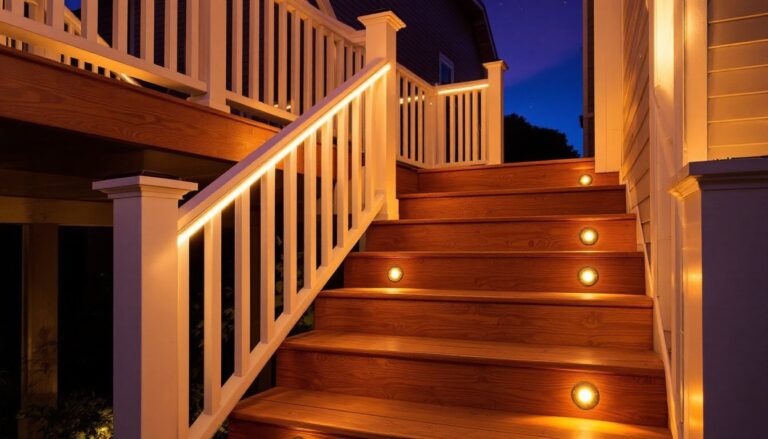
Hardscape lights integrate into stone walls, steps, or paver edges. These fixtures require planning during construction. Recessed step lights mount in riser faces with a 3½-inch round or rectangular cutout, connected via conduit run under the pavers. Use PVC Schedule 40 conduit for underground runs, transitioning to flexible liquid-tight conduit at fixture connections to accommodate ground movement.
For a natural look, tuck lights behind low plantings or boulders rather than lining both sides of a path. Asymmetry feels less municipal and plays well with fire pit ambiance.
Lanterns and Portable Fixtures for Flexible Illumination
Lanterns, whether candle, battery, or propane, offer flexibility and instant atmosphere. LED lanterns with D-cell batteries provide 50 to 100 hours of runtime and eliminate open-flame concerns around children or pets. Hang them from shepherd’s hooks, pergola brackets, or clustered on side tables.
For vintage appeal, kerosene or oil lanterns cast a warmer, flickering glow. Fuel-burning lanterns require wick trimming and chimney cleaning: expect to replace wicks annually with regular use. Always place on stable, heat-resistant surfaces and keep at least 2 feet from fabric cushions or overhead foliage.
Battery-operated string lights and puck lights work well for temporary setups, holiday gatherings or seasonal fire pit use. Modern lithium-ion battery packs (10,000 mAh) run low-draw LED strips for 8 to 12 hours. Velcro or magnetic mounts allow repositioning without tools.
Portable fixtures shine when hardwiring isn’t practical, renters, or homeowners testing layouts before committing to permanent installation. Many outdoor design enthusiasts find inspiration on platforms like Country Living for pairing lanterns with rustic fire pit setups.
Integrated Lighting Within Fire Pit Design
Built-in lighting within or around a fire pit structure adds a polished, cohesive look. Options include LED strip lights tucked under the cap stone of a masonry fire pit, well lights aimed at the exterior base, or ring burners with integrated LED illumination in gas fire pits.
For masonry or stone fire pits, embed low-voltage LED strips in a recessed channel carved into the cap or seat wall. Use silicone-coated IP67-rated strips (waterproof to 1 meter) and aluminum channel for heat dissipation. Wire feeds through a knockout hole to a transformer located in a weatherproof box nearby.
Well lights (in-ground uplights) highlight the fire pit’s exterior texture. Install cast-brass or powder-coated aluminum fixtures rated for direct burial, positioned 6 to 12 inches from the base. Aim for 3 watts per fixture, more creates harsh shadows: less disappears against firelight.
Gas fire pits with electronic ignition can integrate LED accent lighting controlled via the same switch or remote. Some models feature color-changing LEDs embedded in fire glass or lava rock. Wire runs through the gas line trench (separated by 6 inches minimum per code) to the control module. Always hire a licensed gas fitter for propane or natural gas connections, this isn’t a DIY-friendly zone, and faulty installs risk leaks or fire.
Built-in lighting requires planning during construction. Retrofit installs are messier and may involve cutting into finished stonework or re-routing buried utilities.
Solar and Smart Lighting Solutions for Modern Patios
Solar lights eliminate wiring but require careful placement. Most solar path or accent lights use monocrystalline photovoltaic panels that need 4 to 6 hours of direct sun for a full charge. Shaded patios or tree canopy coverage reduce performance, lithium-ion battery models handle partial shade better than older nickel-cadmium types.
Look for solar lights with replaceable batteries (18650 lithium cells are common and widely available). Cheaper units glue batteries in place, forcing replacement of the entire fixture when the cell dies after 2 to 3 years. Quality solar spotlights output 200 to 400 lumens and include adjustable heads for aiming at fire pit surrounds, pergola posts, or nearby trees.
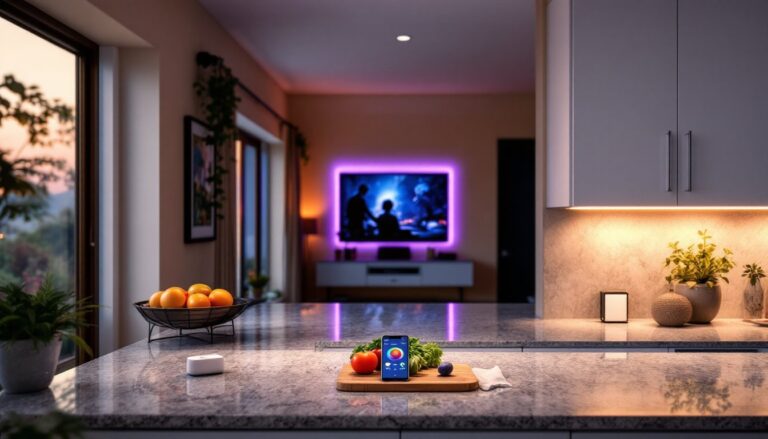
Smart lighting systems, such as low-voltage LED kits with Wi-Fi or Zigbee hubs, allow dimming, scheduling, and color tuning via smartphone. Many integrate with voice assistants for hands-free control. Wire smart fixtures just like traditional low-voltage lights, but connect the transformer to a smart plug or hardwired smart switch. Retailers with extensive outdoor lighting selections, including smart-ready systems, make sourcing components easier.
Some homeowners layer solar accent lights with hardwired overhead fixtures for redundancy: if solar charge runs low during overcast stretches, the wired system picks up the slack. For broader outdoor lighting strategies, consider integrating fire pit lighting into a whole-yard plan that includes façade uplighting, driveway markers, and garden spotlights. Designers often share detailed examples of multi-zone outdoor lighting on resources like Southern Living, which highlight regional approaches to porch and patio illumination.
Conclusion
Fire pit lighting balances safety, function, and mood. String lights provide soft overhead ambiance, path fixtures guide foot traffic, lanterns add flexibility, and integrated solutions deliver a seamless look. Solar and smart options reduce wiring complexity while expanding control. Plan layouts during dry weather, test fixture placement before final install, and always follow electrical code for buried cable and GFCI protection. With the right mix of fixtures, a fire pit becomes a four-season gathering spot long after sunset.