Getting the lighting right in a living room makes the difference between a space that feels like a showroom and one that actually invites you to kick off your shoes. Most homeowners default to a single overhead fixture and call it done, but that’s like trying to cook with one burner. A cozy living room demands thoughtful layers, warm tones, and fixtures that pull double duty as functional tools and design elements. Whether you’re rewiring from scratch or just swapping out bulbs and shades, the strategies below will help turn harsh, flat lighting into the kind of glow that makes everyone settle deeper into the couch.
Table of Contents
ToggleKey Takeaways
- Layer your lighting with ambient, task, and accent sources to create depth, flexibility, and the cozy living room atmosphere that a single overhead fixture cannot achieve.
- Choose warm color temperatures between 2700K–3000K and verify CRI ratings of 90+ on LED bulbs to ensure natural skin tones and accurate color rendering without a clinical feel.
- Install dimmable switches or smart controls to adjust brightness levels from 10–100%, with separate controls for each lighting layer so you can set the mood for any occasion.
- Incorporate table and floor lamps as sculptural elements that offer portability and task lighting; position shade bottoms at eye level (24–27 inches) for seated comfort.
- Add character with accent lighting on artwork, shelves, and architectural features using track lights, LED strips, or picture lights to create a professionally designed appearance.
- Enhance coziness with real or faux candles grouped in odd numbers, which provide warmth (1500K–1800K) and movement that static electric fixtures cannot replicate.
Layer Your Lighting for Maximum Comfort
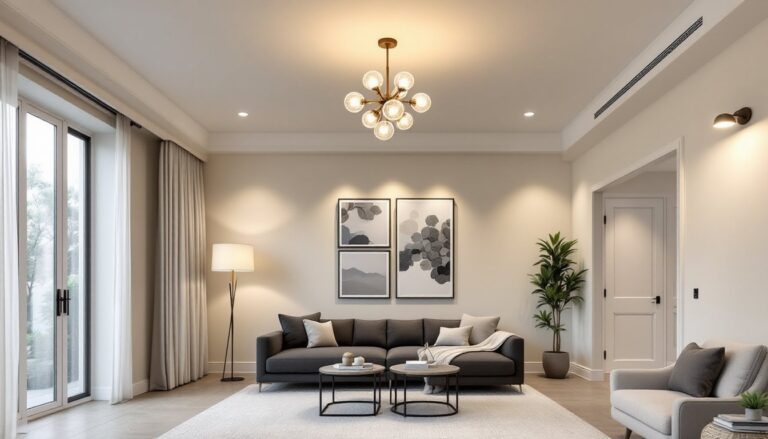
Single-source lighting, like one ceiling fixture, flattens a room and creates harsh shadows. Professional designers rely on three layers: ambient (general illumination), task (functional lighting for reading or hobbies), and accent (highlighting architectural features or décor). Each layer serves a purpose, and together they create depth and flexibility.
Ambient lighting typically comes from ceiling-mounted fixtures: flush mounts, semi-flush mounts, or recessed cans. If you’re installing recessed lights, space them roughly 4 to 6 feet apart and keep them at least 3 feet from walls to avoid creating hot spots. For rooms with 8-foot ceilings, 4-inch cans with BR30 bulbs work well: taller ceilings benefit from 5- or 6-inch housings.
Task lighting belongs wherever people actually do things, next to the sofa for reading, beside a writing desk, or near a crafting corner. Table lamps and adjustable floor lamps work best here. Look for lamps with three-way switches (50/100/150 watts, or LED equivalents) so users can dial in the right brightness without swapping bulbs.
Accent lighting adds drama. Picture lights over artwork, LED strips behind floating shelves, or small spotlights aimed at a stone fireplace surround. Low-voltage LED tape lights (12V or 24V systems) are DIY-friendly and come with adhesive backing, though you’ll need a compatible driver and a basic understanding of wiring if you’re hardwiring them. Many smaller spaces benefit from small space lighting techniques that emphasize vertical layers over floor space.
Don’t skimp on switches. Install separate switches (or dimmer gangs) for each lighting layer so you can turn on ambient lighting for vacuuming and accent lighting alone for movie night. If your electrical box is crowded, a dual-function dimmer/switch combo can save space.
Choose Warm Color Temperatures for Inviting Ambiance
Color temperature, measured in Kelvin (K), determines whether light feels warm or clinical. Bulbs rated 2700K to 3000K produce a soft, yellowish glow that mimics incandescent light and makes skin tones look natural. Anything above 4000K veers into daylight territory, fine for a garage workshop, but harsh in a living room.
When shopping for LED bulbs, check the packaging for both Kelvin rating and CRI (Color Rendering Index). A CRI of 90+ ensures colors look accurate, which matters when you’re trying to match throw pillows or appreciate a painting. Cheap LEDs with low CRI can make reds look muddy and whites look greenish.
If you already have a mix of bulbs, standardize them. Mixing 2700K and 3500K in the same room creates a disjointed feel, especially when both are on at once. Buy a case of your preferred temperature and label the box with a marker so you don’t accidentally grab a cool-white bulb during your next replacement run.
Don’t assume all “soft white” bulbs are equal. Some manufacturers label 3000K as soft white: others use it for 2700K. Read the fine print. And if you’re installing dimmers, verify the LEDs are dimmable, non-dimmable LEDs will flicker, buzz, or fail early when used with a dimmer switch.
For spaces that transition from day to night use, consider tunable white LEDs that shift from 2200K (candlelight) to 5000K (noon sun) via a remote or app. They’re pricier, but they let you adjust ambiance without changing bulbs. Smart bulbs from reputable lines (Philips Hue, LIFX, or Lutron Caséta-compatible options) handle this well, though they require a neutral wire at the switch box for most installations.
Incorporate Dimmers and Smart Controls
A dimmer switch is the easiest upgrade for dialing in coziness. Standard toggle switches are on/off: dimmers let you set light levels anywhere from 10% to 100%. They’re especially useful for overhead fixtures that otherwise blast too much light in the evening.
Before buying a dimmer, check your bulb type. LED bulbs require LED-compatible dimmers: older rotary or slider dimmers designed for incandescents can cause LEDs to flicker or hum. Brands like Lutron and Leviton make reliable LED dimmers with smooth fade ranges. Expect to pay $15–$40 per switch, depending on features.
Installation is straightforward if you’re comfortable with basic electrical work. Shut off the breaker, remove the old switch, connect the dimmer’s hot (black), neutral (white, if required), and ground (green or bare copper) wires, then secure it in the box. Many modern dimmers need a neutral wire, older homes may not have one in the switch box, which means you’ll need to pull new wire or use a no-neutral-compatible dimmer.
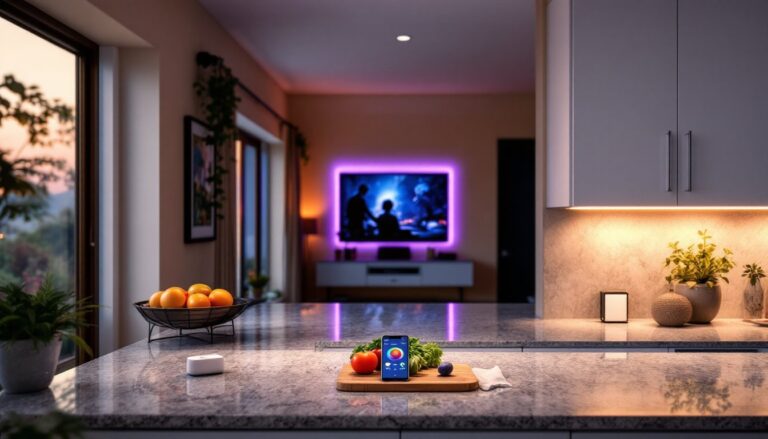
Smart dimmers and switches add remote control, scheduling, and voice commands via Alexa, Google Assistant, or HomeKit. Lutron Caséta is popular for retrofits because it doesn’t require a neutral wire and uses a proprietary wireless protocol that’s more reliable than Wi-Fi. For new construction or remodels, hardwired smart switches like those from Leviton Decora Smart integrate cleanly and don’t drain batteries.
Pair smart controls with motion sensors or occupancy sensors in high-traffic living rooms to automate ambient lighting when someone enters. Just set the dimmer to a low default level (20–30%) so the room doesn’t blast full brightness at night. Some households use romantic lighting setups with programmed scenes that combine dimmers, accent lights, and candles.
One caution: not all smart bulbs play nice with dimmer switches. If you’re using smart bulbs (Hue, LIFX, etc.), leave the wall switch on and control dimming through the app or voice assistant. Installing a dimmer behind a smart bulb can cause compatibility headaches and void warranties.
Add Character with Table and Floor Lamps
Portable lamps are the workhorses of cozy lighting. Unlike hardwired fixtures, they’re easy to move, swap, and adjust as furniture layouts change. A well-chosen lamp also doubles as a sculptural element, fabric shades diffuse light softly: metal or glass shades create focused pools.
Table lamps work best on end tables, console tables, or built-in shelving. Aim for a shade bottom that sits roughly at eye level when you’re seated, usually 24 to 27 inches from the floor for a standard sofa. If the lamp is too tall, light blasts directly into eyes: too short, and it doesn’t illuminate enough of the room.
Shade material matters. Linen or cotton diffuses light evenly and softens shadows. Opaque metal or ceramic shades direct light up and down, which looks dramatic but provides less ambient fill. For reading, pair a table lamp with a 9-to-13-watt LED bulb (60–75W incandescent equivalent) and position it over your shoulder, not directly in front of you.
Floor lamps offer more flexibility. Arcing floor lamps reach over seating to deliver task light without taking up table space. Torchiere lamps bounce light off the ceiling for indirect ambient glow, though they can create glare if the ceiling is too reflective. Adjustable pharmacy-style lamps (with swing arms or pivoting heads) are ideal for reading nooks or beside recliners.
If you’re DIYing lamp repairs or rewiring vintage finds, replace old cord sets with polarized plugs and 18-gauge lamp cord rated for the wattage you’ll use. Hardware stores sell lamp kits with sockets, cord, and plugs for under $10. Interior design enthusiasts on Apartment Therapy often highlight budget-friendly thrift store lamp makeovers with fresh shades and new wiring.
For renters or commitment-phobes, lamps beat hardwired fixtures because they’re portable and don’t require electrical permits. Just plug them into a surge protector to guard against voltage spikes, especially if you’re running several lamps on the same circuit.
Create Focal Points with Accent Lighting
Accent lighting directs attention to what you want people to notice: a gallery wall, a textured accent wall, a collection of pottery, or architectural details like exposed beams or a brick fireplace. It’s also the layer that most DIYers skip, and the one that separates a well-lit room from a professionally designed one.
Track lighting and adjustable spotlights are flexible options. Surface-mount or cable track systems don’t require recessed housings, so they’re easier to retrofit. Position heads to graze walls at a 30-degree angle (called “wall washing”) or aim them directly at objects. Use narrow-beam bulbs (15–25 degrees) for artwork: medium beams (35–50 degrees) for larger surfaces.
For artwork, install picture lights, small fixtures mounted above the frame or integrated into the frame itself. Battery-powered LED picture lights eliminate wiring but require periodic battery swaps. Hardwired picture lights look cleaner but need a junction box behind the wall or a surface-mounted conduit if you’re not opening drywall.
LED strip lights (also called tape lights) are incredibly versatile. Mount them under floating shelves, behind TV consoles, or along the top of crown molding for an indirect glow. Most strips are 12V or 24V and require a compatible power supply. Cut strips only at designated cut marks (usually every 2 to 4 inches), then solder or use snap connectors to extend runs. Stick to high-CRI strips (90+) if you’re lighting collectibles or plants.
Rustic settings often benefit from log home lighting approaches that emphasize natural textures with up-lighting on stone or timber. Many designers featured on House Beautiful use accent lighting to highlight architectural character without overpowering the room.
One safety note: accent fixtures get hot. Keep them at least 3 inches from flammable materials like curtains, paper art, or dried botanicals. Use IC-rated housings if you’re installing recessed accents near insulation.
Enhance Coziness with Candles and Decorative Fixtures
Candles are the original dimmable lighting. They flicker, they smell good (if you choose scented), and they instantly signal relaxation. Real wax candles produce a 1500K to 1800K glow, warmer than any electric bulb, and the live flame adds movement that static fixtures can’t replicate.
Group candles in odd numbers (three or five) on a coffee table, mantel, or sideboard. Use pillar candles in hurricanes or lanterns to protect flames from drafts and prevent wax spills on furniture. Tealights are inexpensive and work well in clusters: votives last longer and fit standard glass holders.
For spaces where open flames are a concern (homes with kids, pets, or strict HOA rules), battery-operated LED candles have improved dramatically. Look for models with realistic flicker modes and timers that auto-shutoff after 4 or 8 hours. Some premium faux candles use actual wax shells with internal LEDs, so they look convincing even up close.
Decorative fixtures like Edison-bulb pendants, lantern-style chandeliers, or vintage sconces add personality. Exposed-filament LED bulbs mimic the warm glow of old incandescents but use 90% less energy and last years longer. Mount them in clear-glass or wire-cage fixtures where the bulb itself becomes the design element.
For living rooms lacking overhead boxes, consider plug-in pendant kits or swag lights that hang from a ceiling hook and drape cord to a wall outlet. They’re easy to install (one screw anchor in a ceiling joist or stud), and you can move them when you rearrange furniture. Use home lighting resources to source fixtures that match your style, industrial, farmhouse, mid-century, or minimalist.
Mixing candle glow with low-wattage electric lamps creates a layered, human-scaled environment. Just remember: never leave burning candles unattended, and keep them away from ceiling fans, curtains, and curious pets. Always trim wicks to ¼ inch before lighting to prevent soot buildup and uneven burns.
Conclusion
Cozy living room lighting isn’t about buying the fanciest fixtures or spending thousands on rewiring. It’s about layering sources, choosing warm tones, and giving yourself control over brightness throughout the day. Start with one upgrade, swap in dimmable LEDs, add a quality floor lamp, or install a simple dimmer switch, and build from there. The room will thank you, and so will anyone who settles in for the evening.