Coastal lighting isn’t just about slapping up a fixture with a rope accent and calling it nautical. It’s about creating a bathroom that feels open, airy, and genuinely connected to seaside living, whether you’re three blocks from the shore or three states away. The right lighting can turn a cramped powder room into a breezy retreat or give a dated master bath the bright, organic feel of a boutique coastal hotel. And bathrooms, with their unique mix of task lighting needs and moisture challenges, are actually ideal candidates for coastal-inspired fixtures. The style’s emphasis on natural materials, corrosion-resistant finishes, and clean lines solves practical problems while delivering that relaxed, shoreline aesthetic.
Table of Contents
ToggleKey Takeaways
- Coastal bathroom lighting combines moisture-resistant finishes like brushed nickel and oil-rubbed bronze with practical task lighting to create a durable, spa-like retreat.
- Install sconces 60–65 inches from the floor and 36–40 inches apart to eliminate facial shadows and ensure optimal vanity lighting without moisture-related damage.
- Layer your light sources with ambient ceiling fixtures, task lighting at the vanity, and accent strips to achieve both functionality and the relaxed aesthetic coastal design demands.
- Choose damp or wet-location-rated fixtures within 8 feet of tubs or showers per NEC guidelines, and opt for glass shades (seeded, frosted, or clear) over fabric to prevent warping in humidity.
- Use warm-to-neutral LED bulbs (2700K–4000K) with a compatible dimmer switch to balance bright morning grooming tasks with the soft evening ambiance coastal bathrooms are known for.
- Improve fixture longevity by running your exhaust fan for 20 minutes after showers and upgrading to a 110 CFM humidity-sensor model to reduce condensation and protect finishes.
Why Coastal Lighting Works Perfectly in Bathrooms
Bathrooms demand fixtures that can handle humidity, temperature swings, and the occasional direct water splash, especially near showers and tubs. Coastal lighting fixtures are typically built with these conditions in mind. Many use corrosion-resistant finishes like brushed nickel, oil-rubbed bronze, or powder-coated metals that won’t pit or tarnish in damp environments.
Glass shades, common in coastal designs, are inherently moisture-tolerant. Seeded glass, frosted glass, and clear glass globes won’t warp or discolor like fabric shades might. Just make sure any fixture within 8 feet of a tub or shower is rated for damp or wet locations per NEC guidelines (look for a UL damp or wet location listing).
The aesthetic fits naturally, too. Coastal styles emphasize natural light and open spaces, which aligns perfectly with what most people want in a bathroom: bright, even illumination that doesn’t feel clinical. Soft whites, weathered wood accents, and rope or woven details add warmth without cluttering the visual field. If you’re aiming for a serene, spa-like vibe, coastal fixtures deliver that better than industrial or ornate traditional styles.
Essential Coastal Lighting Fixtures for Your Bathroom
Nautical Sconces and Wall Lights
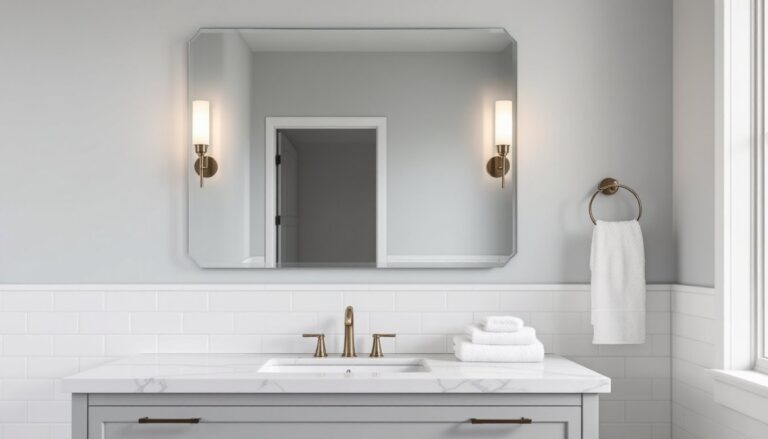
Sconces are workhorses in bathroom lighting, and nautical-style versions bring both function and character. Look for fixtures with metal cages, frosted glass domes, or ribbed glass shades that diffuse light evenly. These work well flanking a vanity mirror or along a long wall to eliminate shadows on faces, critical for shaving, makeup, or detailed grooming tasks.
Install sconces at 60 to 65 inches from the floor (measured to the center of the fixture) for optimal face lighting. If you’re mounting them beside a mirror, space them 36 to 40 inches apart for balanced coverage. Most sconces use standard electrical boxes, so retrofitting is straightforward if you’ve already got junction boxes in place. Just kill the power at the breaker, test with a non-contact voltage tester, and follow manufacturer wiring instructions.
For damp or wet zones, choose fixtures rated accordingly. A cage-style sconce with an Edison bulb can add vintage charm, but swap in an LED filament bulb to avoid the heat and short lifespan of incandescents. LEDs also handle humidity better and won’t dim prematurely in moist conditions.
Statement Pendant Lights and Chandeliers
If your bathroom has the ceiling height and square footage, a pendant or small chandelier can serve as both ambient light and a focal point. Rattan drum pendants, woven seagrass shades, and coastal chandeliers with capiz shell or driftwood accents work especially well over freestanding tubs or in the center of larger bathrooms.
Hang pendants so the bottom of the shade is at least 7 feet above the finished floor to avoid head strikes. For tub installations, consider a damp-rated pendant fixture to meet code and ensure longevity. Wire pendants through a standard ceiling box: if you’re replacing a flush-mount, the wiring should be plug-and-play as long as the new fixture’s canopy covers the old box footprint.
Dimmer switches are highly recommended here. A compatible LED dimmer (not all dimmers work with all LEDs) lets you dial down brightness for evening soaks while keeping full output available for daytime tasks. Check the bulb packaging for dimmer compatibility, many quality LEDs specify which dimmers they pair with.
Choosing the Right Finishes and Materials
Finish durability matters more in bathrooms than almost anywhere else. Brushed nickel, polished chrome, and oil-rubbed bronze are all solid choices for coastal fixtures because they resist moisture-related corrosion. Avoid unlacquered brass or raw metals unless you’re prepared for patina development, some homeowners love that aged look, but it’s not for everyone.
Glass is your friend. Seeded glass (the kind with tiny bubbles) scatters light softly and hides water spots better than clear glass. Frosted or etched glass reduces glare, which is helpful if your bathroom gets strong natural light. Clear glass works well if you want to showcase a decorative bulb, but expect to wipe it down more often.
Wood and woven materials, rattan, rope, driftwood accents, add warmth but need to be sealed or treated if they’ll be in a high-moisture zone. A rattan pendant over a tub? Fine, as long as it’s rated for damp locations and the bathroom has decent ventilation. No exhaust fan or poor airflow? Stick with metal and glass.
Paint finishes on metal fixtures should be powder-coated or marine-grade if you want them to last. Standard spray paint will chip and peel in a steamy bathroom. If you’re DIY-painting an old fixture, use a high-adhesion primer followed by a rust-inhibiting enamel, and let it cure fully before installation.
Don’t overlook the bulb itself. Coastal aesthetics lean toward soft white or daylight LEDs (2700K to 5000K). Warmer temps (2700K–3000K) feel cozy: cooler temps (4000K–5000K) mimic natural daylight and improve color accuracy for makeup and grooming. Avoid anything above 5000K, it veers clinical.
Placement Strategies for Optimal Coastal Ambiance
Layering light sources is the key to a functional, flexible bathroom. Coastal design thrives on this layered approach: ambient light for overall illumination, task light for specific activities, and accent light to highlight textures or architectural details.
Ambient lighting typically comes from a ceiling fixture, flush-mount, semi-flush, or pendant. In a coastal bathroom, this might be a woven drum shade or a simple glass globe. Position it centrally or, in a larger room, use multiple fixtures spaced evenly. Aim for at least 1 watt per square foot of LED output (or 70–80 lumens per square foot) for general visibility.
Task lighting belongs at the vanity. Sconces on either side of the mirror beat a single fixture above it every time, side lighting eliminates shadows under the eyes and chin. If you’re stuck with an overhead box, consider a multi-bulb bar fixture that spans the width of the mirror for more even coverage. Mount it about 75 to 80 inches from the floor.
For design enthusiasts seeking renovation inspiration for bathrooms, accent lighting adds drama without overwhelming the space. LED strip lights under floating vanities, inside niches, or along toe kicks give a subtle glow that enhances the coastal feel. Use waterproof-rated strips (IP65 or higher) if they’re near water sources.
Ventilation affects lighting longevity. Run your exhaust fan during and for 20 minutes after showers to reduce condensation buildup. If your fan is noisy or weak (most builder-grade fans move only 50 CFM), upgrading to a 110 CFM model with a humidity sensor will protect your fixtures and finishes.
Dimmers and smart switches let you adjust ambiance on the fly. Many homeowners treating their space with coastal design ideas install dimmers on ambient and accent circuits, leaving task lighting at full brightness. This setup works well for morning routines (full blast) and evening wind-down (low glow).
Conclusion
Coastal bathroom lighting isn’t about following a decorating trend, it’s about choosing fixtures that handle moisture, deliver the right kind of light, and bring a calm, organic feel to a high-use space. Stick with durable finishes, layer your light sources, and don’t skip the dimmer. Whether you’re retrofitting an old vanity or building from scratch, the principles stay the same: function first, style close behind.