Getting bedroom lighting right isn’t just about screwing in a bulb and calling it done. The wrong fixture placement or color temperature can turn your retreat into a harsh interrogation room or a cave you can barely navigate. Proper lighting affects sleep quality, mood, productivity, and even how well you can fold laundry or find matching socks at 6 a.m. Whether you’re working with builder-grade fixtures or planning a full lighting overhaul, understanding layering, bulb specs, and fixture placement makes the difference between a bedroom that works and one that doesn’t.
Table of Contents
ToggleKey Takeaways
- Best bedroom lighting relies on three essential layers—ambient, task, and accent—each serving a distinct purpose to create a flexible, functional space.
- Use warm color temperatures of 2700K to 3000K in ambient and accent fixtures to promote relaxation and support healthy sleep cycles, while avoiding harsh cool light before bedtime.
- Install dimmable switches and swing-arm bedside sconces positioned 20 to 24 inches above the mattress to provide comfortable reading light without glare or neck strain.
- Choose LED bulbs with CRI 90+ for task and accent fixtures near mirrors or closets to ensure accurate color rendering, and verify dimmable compatibility before installation.
- For a 12×12 ft bedroom, aim for 1,500 to 3,000 lumens of total ambient output using ceiling fixtures, recessed cans, or dimmers to adjust brightness throughout the day and evening.
Why Bedroom Lighting Matters More Than You Think
Most DIYers underestimate how much lighting impacts daily function and sleep cycles. Harsh overhead light at night suppresses melatonin production, making it harder to fall asleep. Dim, poorly placed task lights strain eyes during reading or phone scrolling. And insufficient ambient lighting makes the room feel cramped or uninviting.
From a practical standpoint, bedroom lighting needs to handle multiple jobs: waking up gently, getting dressed without squinting, reading without neck strain, and winding down without blue-spectrum blasts. According to research on circadian rhythms, exposure to warm, dim light in the evening supports better sleep onset, while cooler, brighter light in the morning aids alertness.
Beyond biology, good lighting also handles cosmetic and safety roles. Adequate illumination prevents toe-stubbing trips to the bathroom at 2 a.m., and well-placed accent lights add visual interest without requiring a full renovation. If the current setup involves a single ceiling fixture and maybe a mismatched bedside lamp, it’s time to rethink the approach.
Layering Your Bedroom Lighting for Maximum Comfort
Lighting professionals follow a three-layer system: ambient, task, and accent. Each serves a distinct purpose, and combining all three creates a flexible, functional space. Skipping any layer leaves gaps, too much ambient light feels sterile, all task lighting creates harsh shadows, and accent-only setups look moody but impractical.
Ambient Lighting: Setting the Foundation
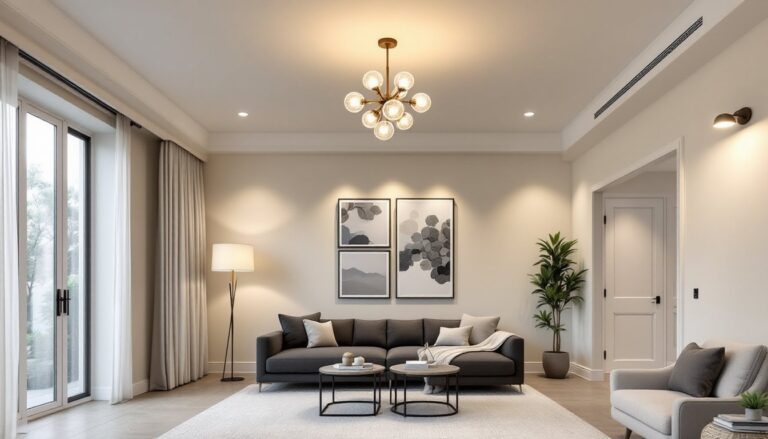
Ambient lighting provides overall illumination and sets the room’s baseline brightness. In most bedrooms, this comes from a ceiling-mounted fixture, recessed cans, or a flush-mount drum shade. The goal is even, diffused light that eliminates dark corners without glare.
For an average 12 ft × 12 ft bedroom (144 sq ft), aim for roughly 1,500 to 3,000 lumens total ambient output. That typically means a 100-watt-equivalent LED fixture or a set of four to six recessed 4-inch or 6-inch cans spaced evenly. If the room has a ceiling fan with an integral light kit, verify the max bulb wattage and socket type, many builder-grade fans top out at 60-watt-equivalent LEDs per socket.
Dimmer switches are non-negotiable for ambient fixtures. A standard single-pole dimmer (compatible with LED bulbs, check packaging) costs under $20 and installs in 15 minutes. This lets occupants dial down brightness in the evening without switching to a separate fixture. Important: not all LED bulbs dim smoothly: look for bulbs explicitly labeled “dimmable” to avoid flickering or buzzing.
For bedrooms with low ceilings (under 8 ft), skip pendant lights that hang below the plane, they create head-knock hazards. Flush-mount or semi-flush fixtures keep the vertical clearance open. In rooms with vaulted or tray ceilings, consider installing accent lighting along the perimeter to highlight architecture without adding glare at eye level.
Task Lighting: Functional Illumination for Reading and Work
Task lighting delivers focused brightness exactly where it’s needed: bedside reading, closet interiors, vanity mirrors, or a small desk nook. This layer should be adjustable in direction or intensity and located to minimize shadows on the work surface.
Bedside reading lamps are the most common task fixture. Swing-arm wall sconces save nightstand real estate and position the bulb at the ideal height, roughly 20 to 24 inches above the mattress top, so the light falls on the page without glare in the reader’s eyes. Many swing-arm models include inline switches or dimmers, which beat fumbling for a pull chain in the dark.
If wall-mounting isn’t an option (renters or no stud access), a table lamp with a 15- to 17-inch shade diameter and a 40- to 60-watt-equivalent bulb works. Position the bottom of the shade at or just above shoulder height when sitting upright in bed. Avoid top-heavy bases on narrow nightstands: a tipped lamp tangled in charging cables is a fire hazard.
For walk-in closets, dedicated closet lighting prevents the daily guessing game of navy vs. black pants. Battery-powered LED puck lights or motion-activated strip lights installed on the underside of shelves provide enough lumens (around 200 to 400 per fixture) without requiring new wiring. If running new electrical is feasible, a single 4-inch recessed can centered in the closet ceiling meets code (NEC 210.70 requires at least one switched lighting outlet in closets) and delivers better color rendering than battery units.
Desk task lighting follows the same rule: position the source to one side of the work surface (left side for right-handed users) to avoid casting hand shadows. Adjustable-arm LED desk lamps with color temperature controls (see next section) let users tune the light for different activities, cooler temps for detailed work, warmer for evening email.
Accent Lighting: Adding Depth and Atmosphere
Accent lighting adds visual interest, highlights architectural features or artwork, and creates ambient “glow” without serving a functional task. This is the layer that makes a bedroom feel intentionally designed rather than simply lit.
Common accent fixtures include:
- LED strip lights behind headboards, under floating nightstands, or along crown molding. Use 2700K to 3000K warm white strips (not RGB party modes) for a hotel-like glow. Adhesive-backed strips install in minutes: just wipe down the surface with isopropyl alcohol first for better adhesion.
- Picture lights or track spots aimed at wall art. Small plug-in LED picture lights mount with two screws and draw under 5 watts.
- Cove lighting in tray ceilings or behind valances. This requires planning during construction or renovation, but the diffused uplight effect is striking.
- Table or floor uplights tucked behind potted plants or architectural columns. A small 10- to 15-watt uplight can turn a fiddle-leaf fig into a focal point.
Accent fixtures should contribute no more than 10–15% of the room’s total lumens. The goal is subtle emphasis, not stadium flood. Many DIYers overdo accent lighting and end up with a space that looks busy or gimmicky. When in doubt, start with one or two accent sources and add more only if the room still feels flat.
Smart LED systems like Apple Home Adaptive Lighting integrate all three layers under app or voice control, adjusting color temperature and brightness automatically throughout the day. These systems typically require a compatible hub (HomeKit, Alexa, or Google Home) and smart bulbs or switches. Installation is straightforward for tech-comfortable DIYers but may require an electrician if replacing three-way switches or installing new junction boxes.
Top Bedroom Lighting Fixtures and Placement Tips
Choosing fixtures isn’t just about style, it’s about fitting the right tool to the job and the room’s constraints.
Ceiling fixtures: For ambient light, semi-flush mounts work in rooms with 8 ft ceilings: chandeliers or pendants require at least 9 ft of clearance and should hang so the bottom is 7 ft above the finished floor. In a bedroom, center the fixture on the room’s midpoint, not over the bed (unless it’s a low-profile flush mount). A dangling chandelier over a pillow is a concussion waiting to happen.
Recessed cans: Plan spacing at roughly 1.5 times the distance from the ceiling to the floor. For an 8 ft ceiling, that’s 12 ft between fixtures. Avoid installing cans directly over the bed, glare in sleepers’ eyes is uncomfortable. Instead, position them in a grid that illuminates the perimeter and traffic paths. Use IC-rated housings (insulation contact) if the ceiling abuts an attic with blown-in insulation. Non-IC cans require 3 inches of clearance, which often isn’t practical.
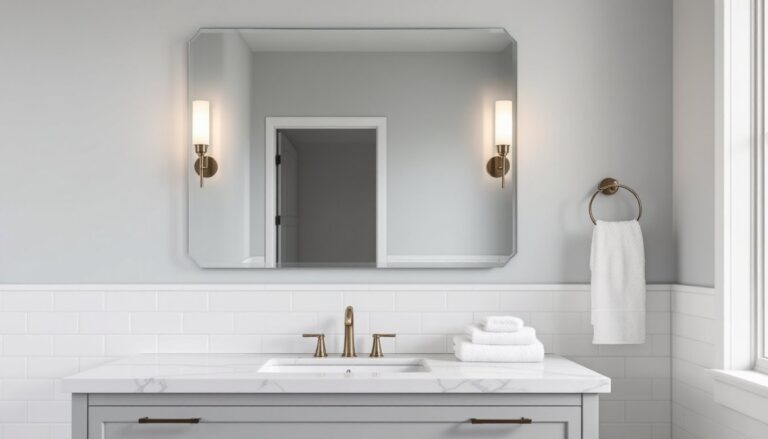
Sconces: Mount bedside sconces 60 to 68 inches above the finished floor (AFF) for reading tasks, measured to the center of the fixture. If the headboard is tall or upholstered, adjust up to keep the light above the headboard’s top edge. Run wiring inside the wall during construction or use cord-and-plug sconces for retrofits (just keep cords tidy with cable clips).
Lamps: Bedside table lamps should have a three-way switch or dimmer for flexibility. A 26- to 30-inch total lamp height (base plus shade) is standard for nightstands 24 to 28 inches tall. The bottom of the shade should align with your chin when seated upright in bed.
Chandeliers: If installing a decorative chandelier, verify the junction box is rated for the fixture weight. Standard plastic “old work” boxes max out at 50 lbs: heavier fixtures need a fan-rated or heavy-duty metal box anchored to a ceiling joist or blocking. Swapping a box is a two-hour job requiring attic or ceiling access.
Safety note: Always kill power at the breaker before working on ceiling fixtures. Use a non-contact voltage tester to confirm the circuit is dead. If the bedroom shares a circuit with other rooms (common in older homes), expect to work in dim conditions or run a temporary work light from another circuit.
Choosing the Right Bulbs and Color Temperature
Bulb specs matter as much as the fixture itself. The wrong color temperature or CRI turns even the best-placed fixture into a liability.
Color temperature is measured in Kelvin (K). For bedrooms:
- 2700K (warm white): Soft, yellowish glow similar to incandescent bulbs. Best for ambient and accent fixtures used in the evening. Promotes relaxation and melatonin production.
- 3000K (soft white): Slightly crisper than 2700K but still warm. Works for task lighting if 2700K feels too dim or orange.
- 3500K to 4100K (neutral/cool white): Better for closets, vanity mirrors, and home office task lighting where color accuracy matters. Avoid in ambient bedroom fixtures, it feels clinical.
- 5000K+ (daylight): Too harsh for bedrooms. Reserve for workshops or garages.
Many smart bulbs offer tunable color temperature, shifting automatically from cool morning light to warm evening tones. These cost $15 to $30 per bulb but eliminate the guesswork.
CRI (Color Rendering Index) measures how accurately a light source reveals colors compared to natural sunlight (CRI 100). Aim for CRI 90+ in task and accent fixtures, especially near mirrors or closets. Cheap LED bulbs often score CRI 80 or lower, making skin tones look sallow and colors muddy.
Lumens vs. watts: LED packaging lists lumens (actual light output) and watt-equivalents (comparison to old incandescent bulbs). For bedside reading, a 40- to 60-watt-equivalent bulb (450 to 800 lumens) is sufficient. For ambient ceiling fixtures, calculate total lumens as noted earlier (roughly 10 to 20 lumens per square foot for bedrooms).
Bulb shape matters: A19 bulbs fit standard table lamps and many ceiling fixtures. BR30 or BR40 flood bulbs work in recessed cans, directing light downward instead of sideways. Globe bulbs (G25) suit exposed-socket fixtures or vanity strips. Using the wrong shape wastes lumens or creates hot spots.
Dimmer compatibility: Verify bulbs are labeled “dimmable” and compatible with the installed dimmer type (leading-edge or trailing-edge). Mismatched pairings cause flickering, buzzing, or failure to dim below 20%. When in doubt, buy one bulb, test it with the existing dimmer, then buy the rest.
Lifespan and warranty: Quality LED bulbs last 15,000 to 25,000 hours (roughly 10 to 15 years at 3 hours/day). Cheap no-name bulbs may fail in under a year. Stick with recognized brands that offer at least a 3-year warranty. If multiple bulbs on the same circuit fail early, suspect overvoltage, poor wiring, or an incompatible dimmer.
Where to buy: Local lighting showrooms offer hands-on comparisons and staff who understand CRI, beam angles, and dimmer pairing. Big-box home centers stock the basics at lower prices but with less expertise. Online retailers have the widest selection but require guesswork on color temp and CRI without seeing the bulb in person. For critical fixtures (bedside reading, vanity), buy one bulb in-store to test before committing to a six-pack online.