Vintage pendant lighting offers a straightforward way to add character and visual interest to a room without the commitment of a full renovation. Unlike recessed cans or flush-mount ceiling fixtures, pendants hang down into the space, drawing the eye and creating focal points over dining tables, kitchen islands, or entryways. The appeal isn’t just aesthetic, vintage-inspired fixtures often use standard medium-base sockets and wiring setups that make them practical for DIY installation. Whether someone’s renovating a 1920s bungalow or adding contrast to a modern open-concept space, vintage pendants bridge the gap between historical authenticity and functional lighting design.
Table of Contents
ToggleKey Takeaways
- Vintage pendant lighting adds character and focal points to any room without requiring a full renovation, making it an accessible way to enhance interior design.
- Vintage pendants are popular because they use durable, simple materials with standard sockets, work across multiple design styles, and are available at every price point from $40 reproductions to high-end salvaged fixtures.
- Industrial, farmhouse, Art Deco, and mid-century modern styles of vintage pendant lighting each offer distinct aesthetics; pair industrial with exposed brick, farmhouse with kitchen islands, and mid-century pieces as statement fixtures.
- Proper installation requires turning off power at the breaker, matching wires correctly (black to black, white to white, ground to ground), and using LED-compatible dimmers to avoid flickering with modern bulbs.
- Hang kitchen island pendants 30–36 inches above the countertop with one fixture per 24–30 inches of length, and dining room pendants 30–34 inches above the table at roughly one-third the table’s width.
- Authentic vintage fixtures are best found at architectural salvage yards and estate sales, while modern reproductions from specialized retailers offer UL-listed wiring and contemporary compatibility without vintage sourcing challenges.
What Makes Vintage Pendant Lighting So Popular?
The surge in vintage pendant popularity stems from a few practical and aesthetic factors. First, these fixtures tend to use simple, durable materials, metal shades, glass globes, Edison-style bulbs, that hold up better than complex contemporary designs with integrated LEDs or proprietary components. When a bulb burns out, it’s a straightforward swap at any hardware store.
Second, vintage pendants work across multiple design styles. An industrial cage pendant fits equally well in a farmhouse kitchen or a loft-style apartment. A mid-century sputnik fixture complements both retro and minimalist interiors. This versatility makes them a safer investment than trend-specific pieces that might feel dated in five years.
Third, they’re available at every price point. Reproductions from big-box retailers run $40–$150, while authentic salvaged fixtures can cost $200–$800 depending on condition and provenance. DIYers can also refinish or rewire thrift-store finds for $20–$50 in materials, creating custom pieces without custom price tags.
Finally, the lighting quality itself is appealing. Many vintage designs use exposed bulbs or clear/seeded glass that creates warm, diffused light rather than the harsh downlight of recessed cans. This softer illumination works better for spaces where people gather, like dining rooms and kitchens.
Popular Vintage Pendant Lighting Styles to Consider
Industrial and Farmhouse Designs
Industrial pendants typically feature metal shades, often enamel-coated steel or aluminum, in dome, cone, or warehouse shapes. Authentic vintage pieces were originally factory or shop lighting, so they’re built tough. Look for porcelain sockets rated for at least 150 watts (even if using lower-wattage LED bulbs) and heavy-gauge steel that won’t dent easily.
Common finishes include matte black, galvanized metal, oil-rubbed bronze, and distressed white. Gooseneck arms and adjustable swivels are period-correct details. These fixtures pair well with exposed brick, butcher block counters, and open shelving.
Farmhouse-style pendants overlap with industrial but lean softer, think milk glass shades, schoolhouse globes, and wire cages painted in matte white or aged brass. These work particularly well for vintage pendant lighting for kitchen island installations, where multiple fixtures hung in a row create balanced task lighting without blocking sightlines.
Both styles use standard E26 medium-base sockets, making bulb selection easy. Edison-style filament bulbs (40–60W equivalent LED) enhance the vintage look, while standard A19 LEDs provide more lumens if task lighting is the priority.
Art Deco and Mid-Century Modern Fixtures
Art Deco pendants (1920s–1940s) feature geometric glass shades, brass or chrome hardware, and sometimes frosted or etched patterns. These fixtures often have more visual weight than industrial styles, so they work best as single statement pieces rather than grouped installations. Authentic pieces may have outdated wiring, always have a licensed electrician inspect and rewire if necessary, especially if the original cloth-covered wiring is brittle.
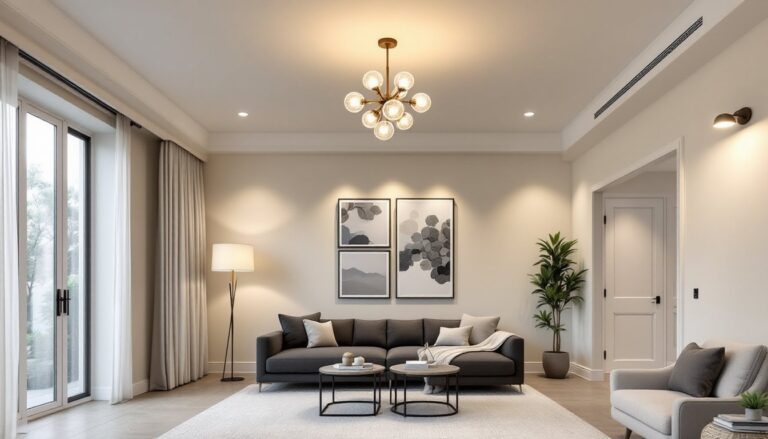
Mid-century modern designs (1950s–1970s) include sputnik chandeliers, cone shades with walnut or teak accents, and globe clusters. Many use multiple small bulbs (G16.5 or candelabra base), which can complicate LED conversions if dimmers are involved. Check that any LED replacements are labeled “dimmable” and compatible with the dimmer type (TRIAC, ELV, or MLV). Incompatible combinations cause flickering or buzzing.
For projects involving interior design research, mixing mid-century pendants with period-appropriate furniture and color palettes creates cohesive spaces. But, these fixtures also work as deliberate contrasts in otherwise traditional or rustic rooms, a brass sputnik pendant over a farmhouse table, for example, adds unexpected visual tension.
Choosing the Right Vintage Pendant for Each Room
Kitchen islands: Plan for one pendant per 24–30 inches of island length, or two to three fixtures for a standard 6–8 foot island. Hang pendants 30–36 inches above the countertop, lower for intimate spaces, higher for open-concept layouts with tall ceilings. Use fixtures with downward-focused shades (dome, cone, or barn styles) to concentrate light on the work surface. Avoid overly decorative pieces that collect grease and dust.
Dining rooms: A single statement pendant should be roughly one-third the width of the table. For a 60-inch round table, aim for a 20-inch diameter fixture. Hang the bottom of the shade 30–34 inches above the tabletop. Dimmable bulbs are essential, bright for meal prep, low for dinner ambiance. Art Deco or globe fixtures work well here since they diffuse light evenly without glare.
Entryways and hallways: Vertical clearance matters. Allow at least 7 feet from the floor to the bottom of the fixture, and 8 feet for high-traffic areas. A single large pendant (18–24 inches wide) works in a two-story foyer, while smaller fixtures (10–14 inches) suit standard 8-foot ceilings. If the space lacks overhead wiring, surface-mounted conduit or a battery-powered LED conversion can work for decorative (not task) lighting, though this compromises authenticity.
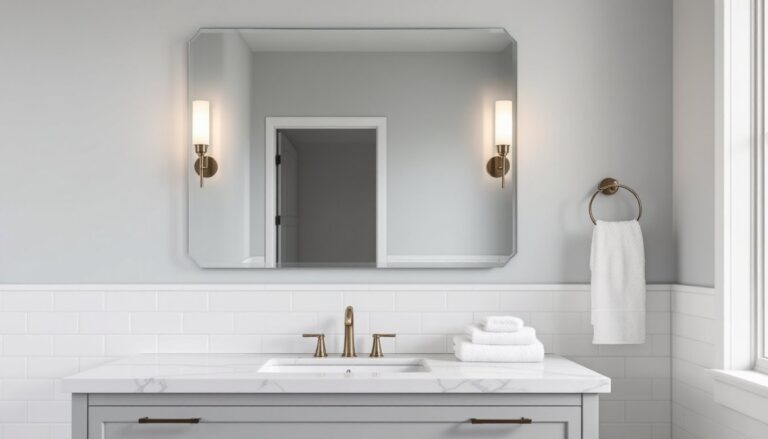
Bathrooms: Confirm fixtures are rated for damp or wet locations if installing near showers or tubs. Glass globes and enclosed shades handle humidity better than open cages. Pair pendants with separate vanity lighting, a single pendant rarely provides adequate task lighting for grooming.
Installation Tips for DIY Homeowners
Before starting, turn off power at the breaker, not just the switch. Test with a non-contact voltage tester to confirm no current is present.
Most vintage pendants use a simple canopy mount: a round or rectangular metal plate that covers the junction box and supports the fixture. Standard ceiling boxes rated for 50 pounds handle most pendants, but heavier fixtures (glass globes, multi-arm chandeliers) may require a fan-rated box or a retrofit brace between joists.
Wiring is straightforward: match black (hot) to black, white (neutral) to white, and bare copper or green (ground) to the ground screw or wire. Use wire nuts rated for the wire gauge, typically 14 AWG (15-amp circuits) or 12 AWG (20-amp circuits). If the fixture has cloth-covered vintage wiring, do not connect it to modern Romex. Rewire the fixture with 18 AWG lamp cord from the socket to the canopy.
Adjusting chain length: Most pendants ship with 4–6 feet of chain. To shorten, remove links with pliers and feed excess cord back into the canopy. To lengthen, purchase matching chain by the foot at hardware stores, make sure the gauge matches (typically #9 or #2 jack chain). Always leave a small service loop of wire inside the canopy to allow for future adjustments.
Dimmer compatibility: If installing a dimmer, choose an LED-compatible model (Lutron DVCL, Leviton DSL06, or similar). Older rotary dimmers designed for incandescent bulbs cause LED bulbs to flicker or hum. The dimmer must be rated for the total wattage of all bulbs on the circuit.
Permit requirements: In most jurisdictions, replacing a light fixture on an existing circuit doesn’t require a permit, but adding a new circuit or relocating a junction box does. Check local codes or consult a licensed electrician for projects involving new wiring runs or modifications to the electrical panel.
Where to Find Authentic Vintage Pendant Lights
Architectural salvage yards are the best source for genuine vintage fixtures. Prices reflect rarity and condition, expect to pay $100–$500 for industrial pendants, $300–$800 for Art Deco pieces. Inspect sockets, wiring, and shades carefully. Porcelain sockets should be crack-free: metal shades shouldn’t have deep rust or holes. Rewiring costs $30–$75 if hiring an electrician, or $10–$20 in materials for DIY.
Online marketplaces (eBay, Etsy, Chairish) offer broader selection but require careful vetting. Request detailed photos of the socket, wiring, and any markings (manufacturer stamps, UL listings). Authentic pieces often have heavier materials and hand-finished details compared to modern reproductions. Shipping fragile glass fixtures runs $30–$100 depending on size and packing quality.
Estate sales and antique shops occasionally yield finds, especially in older neighborhoods. Bring a tape measure to confirm dimensions, a fixture that looks perfect in a 12-foot-ceiling shop might overwhelm an 8-foot-ceiling kitchen. Negotiation is expected: don’t hesitate to point out missing parts or wiring issues.
Modern reproductions from companies like Barn Light Electric, Rejuvenation, and Schoolhouse Electric offer vintage aesthetics with UL-listed wiring and modern dimmer compatibility. Prices range from $150–$600. These are the practical choice for anyone uncomfortable with DIY wiring or looking for specific finishes (powder-coated colors, brushed brass) that authentic pieces don’t offer.
For those seeking design guidance on pairing fixtures with cabinetry, countertops, and layouts, remodeling sourcebooks provide curated project galleries and material specifications that help visualize finished installations before committing to purchases.
Safety note: Never install a vintage fixture with cracked porcelain sockets, frayed wiring, or makeshift repairs. If a piece has sentimental value but unsafe components, have it professionally restored rather than attempting a workaround.