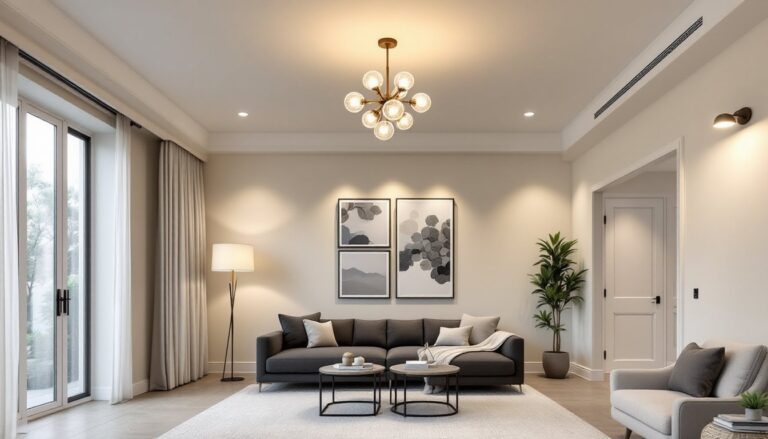
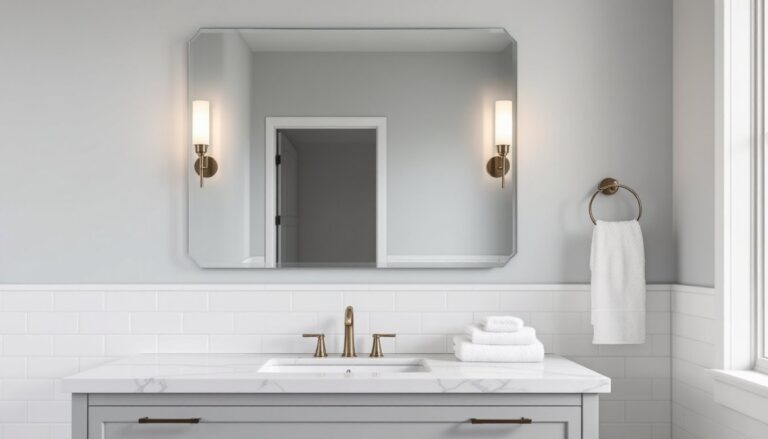
Large glass pendant lights aren’t just fixtures, they’re architectural focal points that can completely redefine a room’s personality. Whether suspended over a kitchen island, anchoring a dining table, or floating in a two-story entryway, oversized glass pendants deliver both function and visual drama. They cast light beautifully, showcasing the interplay between transparency, shadow, and form. But choosing the right fixture means understanding scale, style, and installation logistics. Get it right, and you’ve added instant sophistication. Get it wrong, and you’re left with a light that feels out of place or hangs at an awkward height.
Table of Contents
ToggleKey Takeaways
- Large glass pendant lighting transforms any room into a sophisticated focal point by combining task lighting functionality with striking visual impact through transparency and light play.
- Proper sizing is critical—use the formula of room length plus width (in feet) converted to inches for fixture diameter, and ensure 30–36 inches of clearance above tables or islands.
- Large glass pendants adapt to nearly any design style, with clear glass suiting modern interiors and frosted or seeded glass creating softer ambiance for dining and bedroom spaces.
- Installation safety requires a ceiling fan-rated electrical box for fixtures over 50 pounds, dimmable LED bulbs for versatility, and a two-person team to secure the fixture properly.
- Kitchen islands up to 5 feet benefit from a single large pendant, while longer islands require two or three evenly spaced fixtures for balanced proportions.
What Makes Large Glass Pendant Lights a Design Essential
Large glass pendants serve double duty: they’re workhorses for task lighting and showpieces for aesthetic impact. Unlike smaller fixtures, they command attention without feeling cluttered, thanks to the transparency of glass. The material itself is forgiving, it doesn’t visually weigh down a space the way solid metal or opaque shades can.
Glass also plays well with light. Clear styles let the bulb become part of the design, perfect for Edison-style filament bulbs or vintage-inspired sources. Frosted or seeded glass diffuses light evenly, reducing glare while adding texture. The scale of a large pendant (typically 12 to 24 inches in diameter or more) means it fills vertical space effectively, particularly useful in rooms with high ceilings where standard fixtures disappear.
From a practical standpoint, glass is durable and easy to clean, wipe with a microfiber cloth and glass cleaner, no special treatment needed. It doesn’t fade, warp, or discolor over time like fabric or paper shades. And because glass pendants come in countless shapes (globes, cylinders, domes, geometric cages), they adapt to nearly any design language, from industrial lofts to coastal farmhouses.
One more advantage: glass pendants are versatile across color palettes. They don’t introduce a dominant hue that might clash with future redecorating. Whether your walls are neutral or bold, the fixture integrates seamlessly.
Choosing the Right Size and Scale for Your Room
Size matters more with pendants than almost any other fixture. Too small, and the light feels like an afterthought. Too large, and it overwhelms the space or creates clearance issues.
A common rule of thumb: for fixtures over a table or island, add the room’s length and width (in feet), then convert that sum to inches for an approximate fixture diameter. For example, a 12-foot by 14-foot dining room suggests a pendant around 26 inches in diameter. That’s a starting point, adjust based on ceiling height and furniture scale.
For kitchen islands, consider the island’s length. A single large pendant works for islands up to about 5 feet long. Beyond that, you’ll likely want two or three pendants spaced evenly (typically 24 to 30 inches apart, measured center to center). Each pendant should be roughly one-third the width of the island for balanced proportions.
Ceiling height also plays a role. In standard 8-foot ceilings, large pendants can feel cramped unless they’re shallow in profile. For 9- to 10-foot ceilings, you have more flexibility. In spaces with 12-foot or higher ceilings, oversized pendants (20 inches or larger) finally have room to breathe and make the statement they’re designed for.
Don’t forget clearance. Over a table or island, the bottom of the pendant should hang 30 to 36 inches above the surface. For open floor areas or entryways, ensure at least 7 feet of clearance from the floor to the bottom of the fixture to avoid head-bumping.
Finally, consider the visual weight of the glass itself. A dense, thick-walled globe reads heavier than a delicate blown-glass sphere, even at the same diameter. Match the weight to your room’s vibe, substantial fixtures ground larger, more formal spaces, while airy designs suit casual or minimalist settings.
Popular Styles of Large Glass Pendant Lighting
Glass pendants span a wide stylistic range. Here’s a breakdown of the most popular approaches and where they shine.
Clear Glass Pendants for Modern Minimalism
Clear glass pendants are the workhorses of contemporary design. They expose the bulb entirely, turning the light source into part of the aesthetic. This style pairs beautifully with LED Edison bulbs or vintage-style filament bulbs, where the warm glow and visible coil add character.
Shapes vary widely: simple globes, teardrop profiles, geometric cages with glass panels, or cylindrical lanterns. The lack of color or texture means these fixtures integrate easily into modern, industrial, or transitional interiors. They’re especially effective in kitchens, where clear glass shades let maximum light through for task-focused areas.
One practical advantage: clear glass shows dust and fingerprints more readily than frosted styles, but it’s also the easiest to clean. A quick wipe-down keeps them looking sharp.
For a cohesive look, match the finish of the pendant’s metal hardware (typically the canopy, socket, and any caging) to other fixtures in the room, brushed nickel, matte black, aged brass, or polished chrome.
Frosted and Textured Glass for Soft Ambiance
Frosted glass diffuses light, creating a softer, more even glow that reduces harsh shadows and glare. It’s ideal for dining rooms, bedrooms, or anywhere you want ambient lighting rather than focused task light.
Textured glass, seeded, bubble, or rippled, adds visual interest without color. Seeded glass, with its tiny bubbles and imperfections, has a handcrafted, artisanal feel that works in farmhouse, coastal, or eclectic spaces. Rippled or fluted glass introduces pattern and depth, catching light in unpredictable ways as you move through the room. Many contemporary designers featured on platforms like Design Milk showcase textured glass as a subtle way to add dimension.
Frosted and textured styles also hide the bulb itself, so you’re not locked into a specific bulb aesthetic. Standard A19 or G25 bulbs work fine, though dimmable LEDs give you the most control over ambiance.
These finishes are slightly more forgiving when it comes to dust and smudges, though they still benefit from regular cleaning with a damp microfiber cloth.
Best Rooms and Placement Ideas for Oversized Glass Pendants
Large glass pendants excel in specific rooms and placements where their scale and light distribution make the most sense.
Kitchens: Over islands or peninsulas, pendants provide focused task lighting while anchoring the space visually. Stick to clear or lightly frosted glass for maximum light output. If you have a long island, use two or three matching pendants rather than a single fixture to avoid a lopsided look.
Dining Rooms: Centered over the table, a large pendant (or a linear cluster) creates intimacy and draws the eye downward, making the dining area feel enclosed and intentional. Dimmable bulbs are essential here, bright for family dinners, low for evening ambiance.
Entryways and Foyers: High ceilings and open vertical space beg for a statement fixture. A large glass pendant or multi-tier design fills the void without blocking sightlines. Ensure the fixture is centered in the space or aligned with the front door for visual balance.
Staircases: Hanging a large pendant in a stairwell adds drama and improves safety by lighting the treads. This is one area where professional installation is often worth it, wiring and mounting in a two-story space can be tricky, and you’ll want the fixture securely anchored to a structural support, not just drywall.
Bathrooms: Less common but increasingly popular, oversized glass pendants work in master baths with high ceilings or freestanding tubs. Use frosted or textured glass for privacy, and make sure the fixture is rated for damp or wet locations (check the UL listing). Resources like Homedit often feature bathrooms with unexpected pendant choices that elevate the space.
Living Rooms: In open-concept layouts, a large pendant can define a seating area or reading nook. Avoid placing it too close to seating, no one wants a light fixture hovering over their head while they sit.
Installation Tips and Height Guidelines
Installing a large glass pendant isn’t dramatically different from a standard fixture, but the added weight and size require extra attention.
Electrical Box and Support: Most pendants over 50 pounds require a ceiling fan-rated electrical box, which is rated to support more weight than a standard plastic box. If you’re replacing an existing fixture, check the box type. If it’s a lightweight plastic box, swap it for a metal fan box secured to a ceiling joist or blocking. This is non-negotiable for safety, glass is heavy, and a failed box can cause serious injury or property damage.
Height and Adjustability: Most pendants come with adjustable cord or chain. Measure carefully before cutting excess, it’s easier to shorten than to add length later. For tables and islands, hang the pendant so the bottom sits 30 to 36 inches above the surface. For open spaces, maintain at least 7 feet from the floor.
Dimmer Compatibility: Install a dimmer switch to control brightness. Make sure the dimmer is compatible with your bulb type, LED bulbs often require specific LED-compatible dimmers to avoid flickering. This is a $15 to $30 upgrade that significantly increases the fixture’s versatility.
Bulb Selection: Check the pendant’s maximum wattage rating (usually listed on the socket or in the instructions). Exceeding this can cause overheating and damage. For large glass pendants, 60-watt equivalent LED bulbs (around 8 to 10 actual watts) provide plenty of light while staying cool.
PPE and Safety: Wear safety glasses when working overhead, especially when handling glass. Gloves help with grip and protect against sharp edges on metal hardware. Turn off power at the breaker, not just the wall switch, and use a non-contact voltage tester to confirm the circuit is dead before touching any wires.
Two-Person Job: Large glass pendants are awkward and heavy. Get a second person to support the fixture while you make electrical connections and secure the canopy. Trying to solo this is a recipe for dropped glass and frustration.
Permits: In most jurisdictions, replacing a light fixture doesn’t require a permit if you’re using an existing electrical box and circuit. But, if you’re adding a new circuit, moving a box, or doing work in a kitchen or bathroom (where GFCI protection may be required), check local codes. When in doubt, consult a licensed electrician, especially for complex installations in stairwells or vaulted ceilings.
Once installed, step back and assess. The fixture should feel balanced with the room’s proportions, neither lost in the space nor dominating it. Adjust the height if needed (while power is off) and test the dimmer at various levels to ensure smooth operation.