Poor bathroom lighting makes simple tasks like applying makeup or finding that bottle of ibuprofen needlessly frustrating. Cabinet lighting solves these problems while adding a modern, polished look that elevates the entire space. Whether upgrading an outdated vanity or building a new bathroom from scratch, strategic lighting inside and beneath cabinets improves visibility, highlights design details, and makes daily routines smoother. This guide walks through the types of cabinet lighting available, how to pick the right bulbs, installation techniques for DIYers, and design ideas that balance function with aesthetic appeal.
Table of Contents
ToggleKey Takeaways
- Bathroom cabinet lighting eliminates shadows cast by overhead fixtures, improving visibility for grooming tasks, medication access, and safety while reducing accident risks.
- LED strip lights, puck lights, and linear LED bars are the most practical under-cabinet options, with LED strips offering easy installation and minimal power consumption around 4 watts per foot.
- Neutral white lighting at 3500K–4000K provides the ideal balance for bathroom tasks, while a CRI rating of 90 or higher ensures accurate color rendering for makeup application and grooming.
- Interior cabinet lighting with motion sensors activates when cabinet doors open, conserving battery power while making deep shelves accessible without guesswork or fumbling.
- Strategic cabinet lighting creates a floating vanity effect, highlights architectural details, and adds modern aesthetic appeal that signals a well-maintained bathroom to potential buyers.
- Most cabinet lighting projects qualify as low-voltage or plug-in installations requiring no permit, but hardwired setups must comply with the National Electrical Code and include GFCI protection in bathrooms.
Why Bathroom Cabinet Lighting Matters
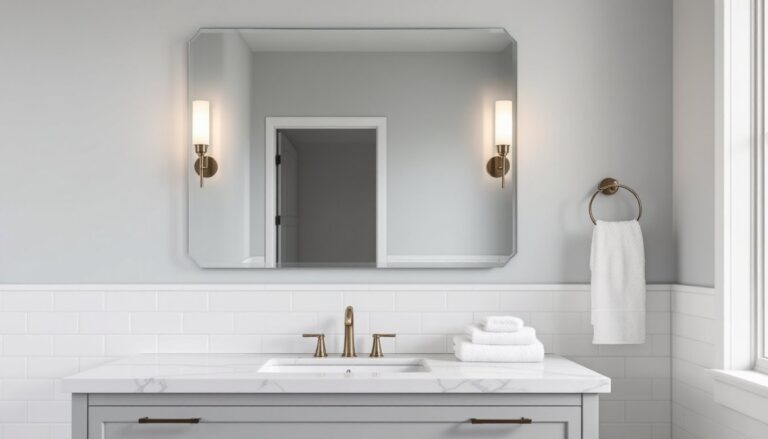
Task lighting inside and under bathroom cabinets addresses a practical gap that overhead fixtures can’t fix. Overhead lights cast shadows directly where they’re least wanted, across the face at the mirror, into deep cabinet shelves, and over countertop work areas. Cabinet lighting eliminates those shadows and provides focused illumination exactly where it’s needed.
From a safety perspective, better visibility reduces the risk of accidents. Fumbling in dim cabinets for medications or sharp grooming tools leads to spills, cuts, and frustration. Under-cabinet lights brighten countertops for tasks like contact lens insertion or minor first aid, while interior cabinet lighting makes it easy to locate items without leaning in and squinting.
Beyond function, cabinet lighting adds ambiance and visual interest. A soft glow beneath wall-mounted vanities creates a floating effect, while lit glass-front cabinets showcase decorative items or high-end toiletries. For resale value, updated lighting signals a well-maintained, modern bathroom, a detail buyers notice during walkthroughs.
Most cabinet lighting projects fall into the low-voltage or plug-in category, which means no permit is required in many jurisdictions. But, if tying into existing household wiring or installing new circuits, check local electrical codes. The National Electrical Code (NEC) requires GFCI protection for bathroom receptacles and may dictate wire gauge and box types for hardwired installations.
Types of Bathroom Cabinet Lighting Solutions
Bathroom cabinets accommodate several lighting styles, each with distinct installation requirements and visual effects.
Under-Cabinet Lighting
LED strip lights are the most popular under-cabinet option. They come in adhesive-backed rolls (typically 16 feet per spool), making them easy to cut to length and stick beneath the cabinet overhang. Look for strips rated IP65 or higher for splash resistance in bathroom environments. Most LED strips run on 12V or 24V DC, requiring a plug-in transformer or hardwired driver. They draw minimal power, about 4 watts per foot, and produce little heat, which matters in confined spaces.
Puck lights are round or square fixtures spaced evenly beneath cabinets. They create pools of light rather than a continuous glow, which works well if the goal is accent lighting rather than broad countertop illumination. Battery-operated puck lights offer the easiest install (no wiring, just adhesive mounts or screws), but batteries need replacing every few months under regular use. Plug-in or hardwired versions provide consistent brightness without maintenance.
Linear LED bars deliver more focused, intense light than flexible strips. These rigid fixtures mount with clips or screws and typically include diffusers to soften the beam and eliminate hotspots. They’re ideal for task-heavy areas like makeup application zones. Many come with linkable connectors, allowing multiple bars to daisy-chain off a single power source. When measuring for linear bars, account for about ¾ inch clearance on each end so the fixture doesn’t overhang the cabinet edges.
For hardwired installations, wiring can be hidden by drilling through cabinet sides or back panels. Always turn off power at the breaker before cutting into walls or routing wire. If hardwiring feels beyond comfort level, hire a licensed electrician, bathroom wiring mistakes carry shock and fire risks, especially near water sources.
Inside-Cabinet Lighting
Interior cabinet lighting makes deep or high shelves accessible without guesswork. Motion-sensor LED strips are the go-to choice here. They activate when the door opens and shut off after a set delay (usually 15–30 seconds), conserving battery or power. Most sensor strips use AA or AAA batteries and can be mounted with adhesive backing or small screws.
Door-activated switches paired with LED bars or strips offer another option. These mechanical switches mount to the cabinet frame and trigger when the door swings open, similar to a refrigerator light. They require low-voltage wiring but deliver brighter, more consistent light than battery-powered sensors.
Glass-front cabinets benefit from top-mounted downlights or side-channel LED strips. Downlights create dramatic vertical illumination that highlights displayed items, while side channels provide even, diffused glow along shelves. Both options require drilling small holes for wiring, if the cabinet is a high-end piece or a rental, consider wireless puck lights as a non-invasive alternative.
Moisture is the enemy inside cabinets. Choose fixtures rated for damp or wet locations, and ensure ventilation so humidity doesn’t damage electronics. If the bathroom has poor ventilation (no exhaust fan or window), a bathroom-grade fixture is essential.
Choosing the Right Bulbs and Color Temperature
LED technology dominates bathroom cabinet lighting, but not all LEDs are equal. Color temperature measured in Kelvin (K) dramatically affects how the space looks and how well tasks are performed.
Warm white (2700K–3000K) creates a cozy, amber-toned glow similar to incandescent bulbs. It flatters skin tones and suits bathrooms aiming for a spa-like feel, but it can make color-matching tasks (like applying foundation or choosing an outfit) difficult.
Neutral white (3500K–4000K) strikes a middle ground. It provides enough warmth to feel inviting while offering better color accuracy than warm white. Designers often refer to professional design platforms for guidance on balancing functional and aesthetic lighting choices in modern bathrooms.
Cool white (5000K–6500K) mimics daylight and delivers the most accurate color rendering. It’s ideal for grooming tasks, shaving, and makeup application but can feel clinical or harsh if overused. Pairing cool white task lighting with warmer ambient fixtures balances functionality and comfort.
Color Rendering Index (CRI) measures how accurately a light source reveals true colors. For bathrooms, aim for a CRI of 90 or higher. Cheap LED strips with CRI ratings below 80 can make skin look washed out or shift fabric and paint colors, which defeats the purpose of good lighting.
Dimming capability adds flexibility. Not every LED strip or fixture is dimmable, and incompatible dimmers can cause flickering or buzzing. If installing a dimmer, match it to the fixture’s requirements (leading-edge vs. trailing-edge dimmers) and verify compatibility with the transformer or driver.
Wattage and lumens are often confused. Wattage measures energy consumption: lumens measure actual light output. For under-cabinet task lighting, aim for 300–500 lumens per linear foot of counter. Interior cabinet lighting needs less, 50–100 lumens per shelf is sufficient to illuminate contents without blinding users when they open the door.
LED lifespan typically ranges from 25,000 to 50,000 hours. At three hours of daily use, that’s 20+ years. But, cheap LEDs can fail early or shift color over time. Stick with fixtures that list a warranty and specify L70 or L80 ratings, which indicate the point at which light output drops to 70% or 80% of original brightness.
Installation Tips for DIY Bathroom Cabinet Lighting
Most cabinet lighting projects can be completed in an afternoon with basic tools and a methodical approach. Here’s how to do it right.
1. Measure twice, cut once. For LED strip lights, measure the cabinet length and mark cut points. Strips can only be cut at designated intervals (usually every 2–4 inches), marked with copper pads and scissor icons. Cutting elsewhere destroys the circuit.
2. Prep the surface. Clean mounting surfaces with isopropyl alcohol to remove grease, dust, and moisture. Adhesive-backed strips and pucks won’t stick to dirty surfaces and will sag or peel within weeks. For extra hold, reinforce adhesive with small cable clips every 12 inches.
3. Plan wire routing. For plug-in systems, locate the nearest GFCI-protected outlet (required by code in bathrooms). If the outlet isn’t close, fish the cord behind the cabinet or along the wall using cable raceways to keep wiring tidy and safe. Don’t stretch cords across walkways or near the sink.
4. Test before final installation. Plug in or connect the fixture and verify it lights up before peeling adhesive backing or drilling mounting holes. Troubleshooting after permanent mounting is frustrating and can damage cabinets.
5. Hardwiring (when applicable). For hardwired installations, run 14/2 or 12/2 NM-B cable (depending on circuit requirements) from the electrical box to the fixture location. All connections must be made inside an approved junction box, never splice wires in open walls or behind cabinets. Use wire nuts rated for the wire gauge and secure with electrical tape. Consult a licensed electrician if unsure: improper wiring risks shock, fire, or code violations during inspections.
6. Conceal transformers and drivers. Bulky plug-in transformers can be hidden inside cabinets or behind decorative molding. Some homeowners cut small notches in the cabinet back panel to recess transformers, but this voids warranties on some cabinets, check before cutting.
7. Secure loose wires. Use zip ties or adhesive cable clips to bundle and route wires neatly. Loose wires can snag on cabinet contents or create visual clutter under open shelving.
Safety gear: Wear safety glasses when drilling into cabinets or walls (especially tile or drywall, which produces dust and debris). Use a voltage tester before touching any household wiring. If working overhead, a step stool with a handrail is safer than a chair.
Tool alternatives: A cordless drill works for most mounting and routing tasks. A hole saw bit creates clean pass-throughs for wiring in cabinet panels. For cutting LED strips, sharp scissors or wire cutters provide clean edges. If fishing wire through walls, a fish tape simplifies routing, but a straightened coat hanger works in a pinch for short runs.
Design Ideas to Enhance Your Bathroom Aesthetic
Cabinet lighting doesn’t just improve function, it’s a design tool that shapes the bathroom’s mood and character.
Floating vanity effect: Under-cabinet lighting on wall-mounted vanities creates a soft glow that makes the cabinet appear to float. This works especially well in small bathrooms, where the visual lift adds perceived space. Use warm white LEDs for a subtle ambiance or RGB color-changing strips for a modern, customizable look. Professionals designing flattering bathroom lighting often layer multiple light sources to avoid harsh shadows.
Layered lighting: Combine under-cabinet task lighting with interior cabinet sensors and ambient overhead fixtures. This layered approach lets users adjust lighting to the task, bright for grooming, dim for late-night trips, and accent lighting for entertaining guests.
Highlight architectural details: If the vanity has recessed panels, glass inserts, or decorative molding, use interior cabinet lights or strategically placed puck lights to emphasize those features. Linear LED bars mounted vertically along cabinet sides create dramatic uplighting or downlighting that draws the eye.
Mirror backlighting: LED strips mounted behind a wall-mounted mirror (with a 1–2 inch gap between mirror and wall) create a halo effect. This technique requires a frameless mirror and some DIY skill to mount the mirror on spacers, but the result is striking and hotel-like.
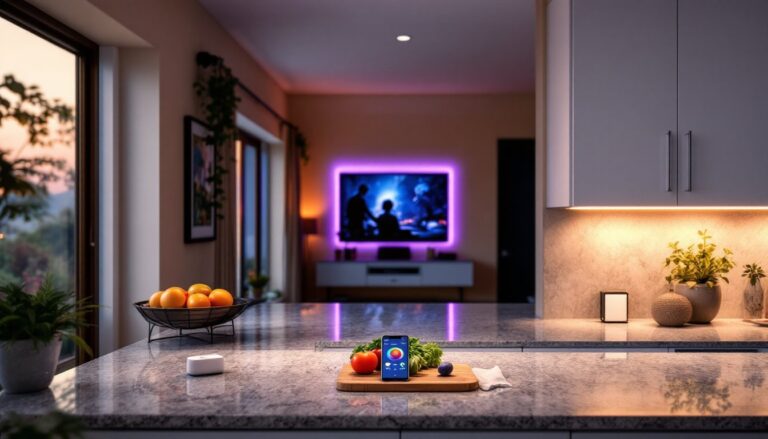
Color-changing options: While most bathroom lighting prioritizes accurate color rendering, RGB or tunable white LEDs add versatility. Color-changing strips can shift from cool white for morning routines to warm amber for evening baths. Smart LED strips controlled via app or voice assistant allow scheduling and scene presets. Homeowners exploring design inspiration can browse ideas on platforms like Houzz to see how professionals integrate color-changing lighting in contemporary bathrooms.
Accentuate open shelving: If the bathroom features open shelves instead of closed cabinets, mount LED strips along the underside of each shelf. This creates visual separation between tiers and makes it easier to locate items on lower shelves.
Consistency matters: Match the color temperature across all cabinet lighting. Mixing warm and cool whites in a single space creates an unintentional patchwork effect that detracts from the overall design. If the bathroom has multiple vanities or zones, slight variations are acceptable, but within each zone, keep temperatures consistent.
Accessorize with dimmers and timers: A remote-controlled dimmer or motion-sensing timer makes cabinet lighting convenient without cluttering walls with extra switches. Motion sensors are especially useful for late-night bathroom visits when flipping switches feels jarring.
For those tackling broader bathroom updates, exploring options at local retailers that stock a range of fixtures, like the Home Depot lighting department, can provide hands-on comparisons of color temperatures and fixture styles before committing to an online purchase.