Wall-mounted outdoor lighting isn’t just about flipping a switch after dark, it’s your first line of defense against stumbles on the front steps, unwanted visitors, and a home that disappears into the shadows at sundown. Whether you’re replacing a builder-grade porch light or adding accent lighting to highlight your home’s architecture, choosing and installing the right fixture involves more than picking something that looks good online. From understanding lumens and weatherproof ratings to mounting height and electrical box compatibility, this guide covers what homeowners need to know before drilling into exterior siding.
Table of Contents
ToggleKey Takeaways
- Wall-mounted outdoor lighting fixtures serve three critical functions—safety, security, and curb appeal—by eliminating dark zones, deterring intruders, and framing your home’s architecture.
- Choose fixtures by lumens rather than watts; typical porch sconces need 400–800 lumens while security floods require 1,000+ lumens for adequate coverage.
- Weatherproof ratings of IP65 or higher are essential for outdoor wall mount fixtures, with coastal homes requiring corrosion-resistant finishes like powder-coated aluminum or marine-grade stainless steel.
- Installation safety requires killing power at the breaker, sealing the backplate with exterior-grade silicone caulk, and using outdoor-rated wire connectors to prevent moisture damage.
- Modern outdoor lighting fixtures now feature smart integration with Wi-Fi or Zigbee controls, allowing homeowners to adjust brightness, set schedules, and integrate with security systems.
- Match fixture size proportionally to your wall (one-quarter to one-third the height of your door), and coordinate finishes across multiple fixtures by purchasing from a single product line to ensure consistency.
Why Wall-Mounted Outdoor Lighting Is Essential for Your Home
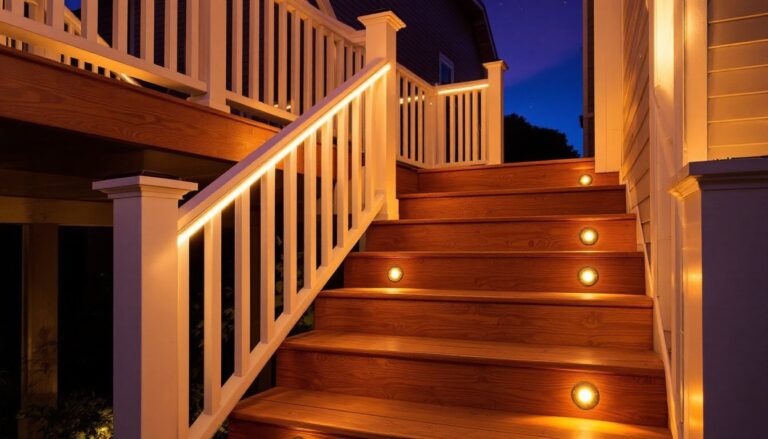
Wall-mounted fixtures serve three critical functions: safety, security, and curb appeal. Properly placed lights eliminate dark zones where someone could trip over a step edge or misjudge a threshold. They also deter opportunistic intruders, homes with well-lit entry points are statistically less likely to be targeted.
From a design perspective, these fixtures frame your home’s architecture. A well-chosen sconce can draw the eye to a textured stone facade or a craftsman-style front door. But cosmetic appeal doesn’t mean much if the fixture fails after one winter. That’s why weatherproof ratings (typically IP65 or higher for exterior use) and corrosion-resistant finishes matter as much as the design.
Most municipalities don’t require permits for simple fixture replacement, swapping an existing light on an existing junction box, but adding new wiring or circuits typically does. If you’re running new cable through walls or adding a switch, check with your local building department before you start cutting holes. And if the project involves working inside a panel or extending a circuit, hiring a licensed electrician isn’t optional, it’s the difference between code-compliant work and a fire hazard.
Types of Wall-Mounted Outdoor Lighting Fixtures
Sconces and Lanterns
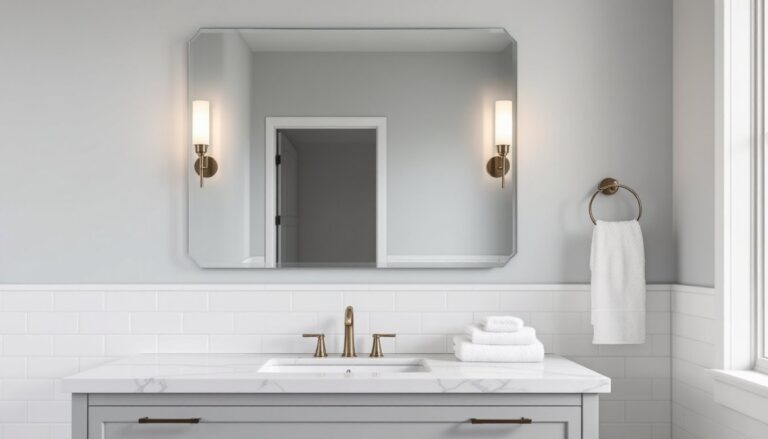
Sconces and lanterns are the workhorses of residential outdoor lighting. Sconces sit flush or semi-flush against the wall and direct light upward, downward, or both. They’re ideal for flanking a garage door, lining a walkway, or accenting vertical siding. Look for fixtures with frosted or seeded glass if you want diffused light that won’t blind someone walking up the path.
Lanterns offer more traditional styling, think carriage lights or mission-style enclosures. They typically house a single bulb (LED or incandescent, depending on the socket type) and cast light in all directions. For front porches, a good rule of thumb is to mount lanterns at eye level or slightly above, around 65 to 70 inches from the finished floor. If you’re lighting a two-story entryway, consider a larger fixture (14 to 20 inches tall) to maintain proportion.
Many modern LED exterior home lighting options integrate dusk-to-dawn photocells or motion sensors directly into the fixture. This eliminates the need for a separate controller and keeps the install cleaner. Just be aware that sensor-equipped fixtures often require a neutral wire at the junction box, older homes wired with only hot and ground won’t support them without an upgrade.
Floodlights and Security Lights
Floodlights and security lights prioritize function over form. These fixtures deliver high-lumen output, typically 700 to 2,000 lumens per head, and cover wide areas. They’re the go-to for driveways, side yards, and backyard perimeters where visibility trumps ambiance.
Dual-head floodlights let you aim each lamp independently, which is useful for covering corners or offset entry points. Most units now ship with LED arrays instead of halogen bulbs, cutting energy use by 70% and lasting 25,000+ hours. Look for models with adjustable sensitivity and timer controls, cheap motion sensors trigger on every passing leaf, which defeats the purpose.
Mounting height matters. Install floods 8 to 10 feet high to minimize glare and maximize coverage. Any lower and you’ll blind people: any higher and the light disperses too much. For security applications, pairing a motion-activated flood with a separate always-on exterior home lighting fixture creates layered coverage without running floods all night.
One caveat: floodlights draw more current than decorative sconces. A dual-head 30-watt LED flood pulls about 0.25 amps, but older halogen models can pull 1.5 amps or more. If you’re adding multiple floods to an existing circuit, calculate total load to avoid tripping breakers. The NEC allows 80% of a circuit’s rated capacity for continuous loads, meaning a 15-amp circuit should max out at 12 amps in practice.
How to Choose the Right Outdoor Wall Light for Your Space
Start with lumens, not watts. A typical porch sconce needs 400 to 800 lumens for ambient lighting: security floods need 1,000+. Watts only tell you energy consumption, they don’t predict brightness, especially with LED tech.
Next, match the fixture size to the wall scale. A general guideline: the fixture height should be one-quarter to one-third the height of the door or wall section it’s illuminating. For an 80-inch front door, that’s a 20 to 27-inch tall lantern. Undersized fixtures look like an afterthought: oversized ones overwhelm the architecture.
Weatherproof ratings matter more than marketing claims. Look for an IP65 rating or higher, the first digit (6) means dust-tight: the second (5) means protected against water jets from any direction. Coastal areas need corrosion-resistant finishes like powder-coated aluminum or marine-grade stainless steel. Standard painted steel will pit and rust within two seasons if you’re within a mile of saltwater.
Bulb compatibility is often overlooked. Some decorative fixtures use candelabra (E12) bases, which limit LED options and brightness. Standard medium (E26) bases offer the widest selection. If you’re buying a fixture with integrated LEDs, confirm the color temperature, 3000K (warm white) works for most residential applications: 4000K (cool white) feels clinical and washes out warm-toned siding.
Finally, consider installation complexity. Fixtures that mount to a standard 4-inch round or octagonal junction box are straightforward. If the fixture requires a rectangular box or custom backplate, you may need to cut into siding and add blocking between studs. Not a dealbreaker, but it turns a 30-minute job into a half-day project.
Installation Tips for Wall-Mounted Outdoor Fixtures
Safety first: Kill power at the breaker, not just the switch. Use a non-contact voltage tester to confirm the wires are dead before touching anything. Exterior boxes often share circuits with interior outlets, so test thoroughly.
Before removing the old fixture, take a photo of the wiring. Most installations follow standard color codes, black (hot), white (neutral), green or bare copper (ground), but older homes sometimes use non-standard wiring. If you see two black wires, one may be a switch leg.
When mounting the new fixture, seal the backplate with silicone caulk where it meets the siding. This prevents water from wicking behind the fixture and rotting the sheathing. Use a clear, paintable exterior-grade caulk, cheap stuff will yellow and crack within a year.
For vinyl or fiber-cement siding, don’t overtighten mounting screws. You want the fixture snug, not compressing the siding. If the box sits recessed behind thick siding, use a box extender to bring it flush with the surface. Mounting directly to siding without hitting the box is a code violation and a fire risk.
If you’re adding a fixture where none existed, you’ll need to locate a stud or install blocking behind the siding. A 4-inch round “pancake” box can mount directly to a stud with two screws, but it needs solid wood behind it, not just siding or foam sheathing. For block or brick, use sleeve anchors rated for the fixture weight plus a 50% safety margin.
Wire connections: Match wire gauge (most fixtures use 14 or 16 AWG leads: house wiring is typically 14 or 12 AWG). Use wire nuts rated for outdoor use or, better yet, push-in connectors like Wago 221 series, which provide a more reliable connection in damp environments. Wrap connections with electrical tape for extra moisture protection, though it’s not a code requirement.
Before buttoning everything up, test the fixture with power restored. If it doesn’t light, double-check neutral and ground connections, reversed neutrals won’t trip a breaker but can cause flickering or failure in LED fixtures.
Many installations benefit from a second set of hands. Holding a heavy lantern against the wall while aligning screw holes and managing three wire nuts is awkward solo. If you don’t have help, use painter’s tape to temporarily support the fixture while you wire it.
Popular Styles and Finishes for 2026
Modern farmhouse continues to dominate, with matte black and oil-rubbed bronze finishes leading sales. These pair well with board-and-batten siding, standing-seam metal roofs, and natural wood accents. For a cleaner look, brushed nickel and satin aluminum work with contemporary horizontals and fiber-cement panels.
Geometric shapes are trending, hexagonal and cylindrical cages, linear bar sconces, and minimalist LED strips. These styles show up frequently in expert outdoor lighting recommendations and work particularly well on modern builds or mid-century renovations.
Traditional homes still favor lantern-style fixtures with seeded or clear glass. For coastal or cottage aesthetics, weathered brass and galvanized steel finishes add character without looking overly distressed. Just confirm the finish is actually protective, decorative “weathered” paint over mild steel will rust: true weathered brass or hot-dipped galvanized steel won’t.
Smart integration is no longer a luxury feature. Fixtures with built-in Wi-Fi or Zigbee controls let homeowners adjust brightness, set schedules, and integrate with voice assistants. This is especially useful for security lighting, you can trigger floods remotely if a camera detects motion, or set vacation modes that randomize lighting patterns.
Color temperature choices have expanded, too. While 3000K remains standard, some manufacturers now offer tunable white LEDs (2700K to 5000K) in high-end fixtures. This lets homeowners shift from warm evening ambiance to bright task lighting with a phone app.
For those planning multiple fixtures, current outdoor light reviews emphasize the importance of matching finish quality across brands. Mixing a $40 big-box sconce with a $200 designer flood is fine if the finishes actually match, but “oil-rubbed bronze” varies wildly between manufacturers. Buy samples or order from a single product line to avoid mismatched shades.
Finally, consider long-term availability. Trendy fixtures are great until you need a replacement in three years and the model’s discontinued. Sticking with established brands found at major retailers like the Home Depot lighting department ensures you can find matching fixtures or replacement parts down the line. Installation costs for exterior lighting can vary significantly based on complexity, homeowners should review cost breakdowns when budgeting for new fixtures or circuit additions.